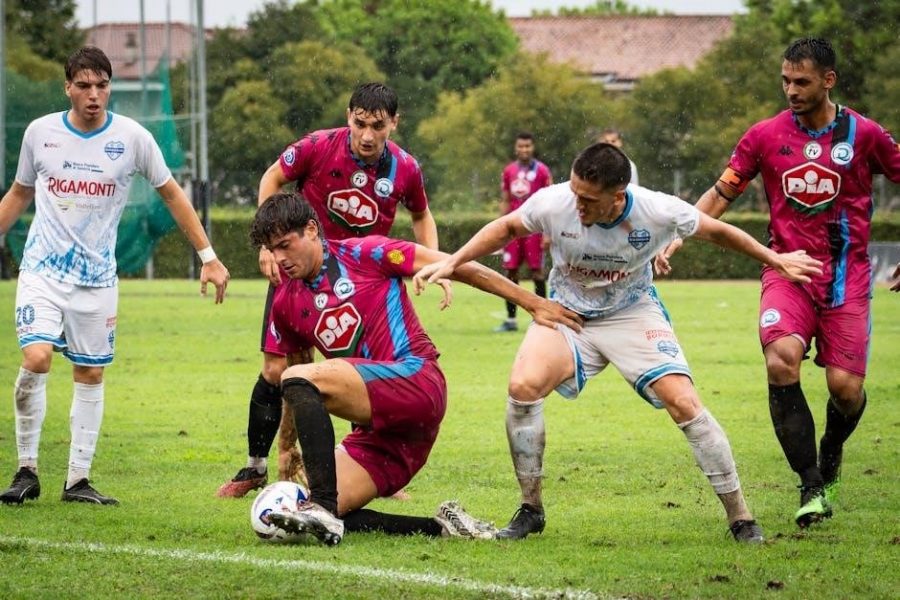
Soccer Strength and Conditioning Program: An Overview
A comprehensive soccer program blends periodized training, focusing on anatomical adaptation, strength endurance, and maximal strength phases for peak performance.
Program Goals & Objectives
The primary goal of this soccer strength and conditioning program is to enhance athletic performance, specifically focusing on the demands of the sport. Objectives include improving players’ speed, agility, and power, crucial for successful on-field actions. We aim to build muscular endurance to sustain high-intensity efforts throughout matches.
A key objective is injury prevention, achieved through strengthening stabilizing muscles and improving proprioception. The program seeks to optimize players’ physical capabilities, allowing them to execute technical skills with greater efficiency and effectiveness. Furthermore, we prioritize developing a robust conditioning base to withstand the rigors of a competitive season, ultimately maximizing each athlete’s potential and team success.
Importance of Periodization
Periodization is fundamental to a successful soccer strength and conditioning program, strategically varying training intensity and volume over time. This prevents plateaus and minimizes the risk of overtraining or injury, crucial for maintaining peak performance throughout the season. A well-structured periodization plan aligns training with the competitive calendar, peaking players for important matches.
It involves distinct phases – preparation, competition, and transition – each with specific goals. By systematically manipulating training variables, periodization optimizes physiological adaptations, enhancing strength, power, and endurance. This approach ensures players are physically prepared for the demands of each phase, maximizing their potential and promoting long-term athletic development.
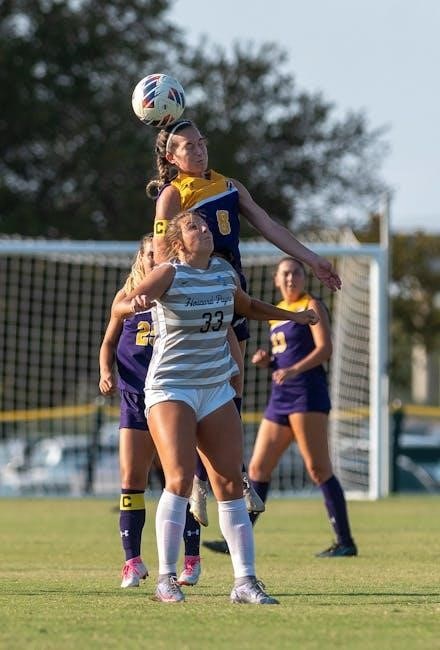
Pre-Season Training (6-8 Weeks)
Pre-season focuses on building a robust physical base through three phases: anatomical adaptation, strength endurance, and maximal strength development.
Phase 1: Anatomical Adaptation (2 Weeks)
This initial phase prioritizes preparing the body for more intense training loads. The primary focus is on enhancing mobility, flexibility, and joint stability to mitigate injury risk. Exercises should emphasize fundamental movement patterns, correcting any existing imbalances.
Dynamic stretching, incorporating active movements through a full range of motion, is crucial. Alongside this, implement low-intensity exercises targeting core stability – think planks, bird-dogs, and dead bugs. These build a solid foundation for subsequent strength work. Avoid heavy loading during this period; the goal is adaptation, not maximal strength gains. Proper form and controlled movements are paramount.
Focus on Mobility and Stability
Soccer demands a high degree of mobility, particularly in the hips, ankles, and thoracic spine. Restricted movement patterns can hinder performance and increase injury susceptibility. Implement dynamic stretches like leg swings, arm circles, and torso twists to improve range of motion.
Stability exercises, focusing on core engagement and proprioception, are equally vital. Single-leg balance drills, wobble board exercises, and controlled core work enhance neuromuscular control. This phase aims to establish a strong foundation, preparing the body for the demands of soccer-specific movements. Prioritize quality of movement over quantity, ensuring proper form throughout each exercise.
Core Strengthening Exercises
A robust core is fundamental for soccer players, providing stability, power transfer, and injury prevention. Incorporate exercises targeting all core muscle groups – rectus abdominis, obliques, transverse abdominis, and lower back;
Plank variations (forearm, side, with leg lifts) build isometric strength. Russian twists with or without weight enhance rotational power, crucial for shooting and changing direction. Bird-dogs improve stability and coordination. Dead bugs challenge core control while minimizing lower back stress. Focus on maintaining a neutral spine throughout each exercise. Progress gradually, increasing repetitions or adding resistance as strength improves.
Phase 2: Strength Endurance (2 Weeks)
This phase bridges anatomical adaptation and maximal strength, preparing the body for the demands of prolonged soccer activity. The focus shifts to performing a higher volume of resistance training with moderate loads. Implement exercises like squats, lunges, push-ups, and rows for 12-15 repetitions per set, completing 3-4 sets.
Circuit training becomes vital, mimicking soccer-specific movements. Include drills like cone drills, shuttle runs, and agility ladder work interspersed with bodyweight exercises. This enhances cardiovascular fitness alongside muscular endurance. Prioritize proper form to prevent injuries during higher-repetition sets. Rest periods should be short, promoting metabolic stress and improving work capacity.
High-Repetition Resistance Training
This component of Phase 2 aims to build muscular endurance, crucial for sustaining performance throughout a soccer match. Employ exercises targeting major muscle groups – legs, core, and upper body – utilizing lighter weights or resistance bands. Perform 15-20 repetitions per set, completing 3-4 sets with minimal rest (30-60 seconds).
Focus on controlled movements and maintaining proper technique throughout each repetition. Examples include goblet squats, Romanian deadlifts with light weights, incline dumbbell presses, and band pull-aparts. This approach enhances the muscles’ ability to resist fatigue and recover quickly between sprints and changes of direction, directly translating to improved on-field performance.
Circuit Training for Soccer-Specific Movements
Integrating circuit training into Phase 2 bridges the gap between general fitness and the demands of soccer. Design circuits incorporating exercises mimicking game actions – agility drills, short sprints, cutting maneuvers, and ball work. A sample circuit might include cone drills, shuttle runs, plyometric jumps, and medicine ball throws.
Perform each exercise for a designated time (e.g., 30-45 seconds) followed by a brief rest (15-30 seconds). Complete 2-3 rounds of the circuit with a longer rest period between rounds (1-2 minutes). This method improves cardiovascular fitness, agility, and the ability to repeatedly execute soccer-specific skills under fatigue, enhancing overall game readiness.
Phase 3: Maximal Strength (2-4 Weeks)
This phase prioritizes building maximal strength, crucial for powerful movements like sprinting, jumping, and tackling. Implement heavy lifting with lower repetitions (3-5 sets of 3-6 reps) focusing on compound exercises – squats, deadlifts, bench press, and overhead press. Proper form is paramount to prevent injuries.
Introduce plyometrics cautiously, starting with low-intensity exercises like box jumps and progressing to more advanced drills. Plyometrics enhance explosive power, vital for soccer performance. Ensure adequate rest between sets (2-3 minutes) to allow for full recovery. This phase prepares athletes for the physical demands of competition.
Heavy Lifting with Lower Repetitions
Focus on foundational movements utilizing 80-95% of your one-rep maximum (1RM) for 3-5 sets of 3-6 repetitions. Prioritize compound lifts like back squats, Romanian deadlifts, bench press, and overhead press, engaging multiple muscle groups simultaneously. Proper technique is non-negotiable; consider working with a qualified strength coach.
Adequate rest (2-3 minutes) between sets is crucial for recovery and maintaining lifting intensity. Supplement these exercises with accessory work targeting specific muscle weaknesses. This phase builds absolute strength, translating to increased power and explosiveness on the field. Monitor athlete fatigue closely and adjust volume accordingly.
Begin with low-intensity plyometrics to prepare the neuromuscular system for more advanced exercises. Focus on proper landing mechanics – soft landings, absorbing impact through the hips, knees, and ankles. Incorporate exercises like box jumps (low height), squat jumps, and lunge jumps for 2-3 sets of 8-10 repetitions.
Gradually increase intensity and complexity as athletes demonstrate proficiency. Progress to single-leg hops, depth jumps (controlled descent), and bounding variations. Emphasize a quick ground contact time to maximize power output. Plyometrics enhance explosive power, crucial for sprinting, jumping, and changing direction on the soccer field. Prioritize quality over quantity.

In-Season Maintenance (Competition Phase)
Maintain strength and power with 2-3 brief sessions weekly, prioritizing recovery and injury prevention through targeted dynamic stretching and proprioceptive drills.
Maintaining Strength & Power
During the competitive phase, the focus shifts from building maximal strength to maintaining existing levels. This is crucial to avoid fatigue and injury while ensuring players remain powerful and explosive on the field. Training volume should be reduced significantly – typically 2-3 sessions per week – with an emphasis on intensity rather than duration.
Exercises should prioritize soccer-specific movements, incorporating plyometrics and short, intense bursts of resistance training. Think power cleans with lighter weights, box jumps, and resisted sprints. The goal isn’t to achieve new personal bests, but to reinforce neuromuscular pathways and preserve the gains made during pre-season. Proper warm-up and cool-down routines are paramount, alongside adequate recovery strategies like sleep and nutrition.
Injury Prevention Strategies
Proactive injury prevention is paramount in a soccer strength and conditioning program. This involves a multi-faceted approach, beginning with consistent dynamic stretching before each training session and match. Focus on movements mimicking soccer actions – leg swings, torso twists, and arm circles – to prepare muscles and joints for the demands of the game.
Proprioceptive training is equally vital, enhancing body awareness and balance. Exercises like single-leg stands, wobble board work, and agility drills improve joint stability and reduce the risk of ankle sprains and ACL injuries. Strengthening key muscle groups – hamstrings, glutes, and core – provides support and protects vulnerable areas. Regular monitoring for muscle imbalances and addressing them promptly is also essential.
Dynamic Stretching Routine
A dynamic stretching routine prepares players specifically for soccer’s demands. Begin with leg swings (forward, backward, and lateral) to increase hamstring and hip flexor mobility. Incorporate torso twists, gently rotating the upper body to enhance spinal mobility and core engagement. Arm circles (forward and backward) improve shoulder range of motion.
Add walking lunges with a twist to activate glutes and improve dynamic stability. Include high knees and butt kicks to warm up the leg muscles. Finish with carioca and lateral shuffles to enhance agility and coordination. Each stretch should be performed for 10-15 repetitions, focusing on controlled movements and gradually increasing range of motion.
Proprioceptive Training
Proprioceptive training is crucial for soccer players, enhancing joint stability and reducing injury risk. Begin with single-leg stance exercises, progressing from stable to unstable surfaces like foam pads or wobble boards. Incorporate balance board drills, challenging players to maintain equilibrium while performing small movements.
Add agility ladder drills focusing on quick footwork and coordination. Include cone drills requiring rapid changes in direction and controlled deceleration. Utilize bosu ball exercises, such as squats and lunges, to further challenge balance. Perform 2-3 sets of each exercise, focusing on maintaining proper form and controlled movements. This improves body awareness and reactive neuromuscular control.

Post-Season Recovery & Regeneration
Effective post-season recovery prioritizes active recovery techniques and addresses muscle imbalances to facilitate physical and mental rejuvenation for future success.
Active Recovery Techniques
Following a demanding soccer season, implementing active recovery techniques is crucial for restoring physiological and psychological well-being. Unlike passive rest, active recovery involves low-intensity exercise that promotes blood flow, aiding in the removal of metabolic waste products like lactic acid.
Examples include light jogging, swimming, cycling, or even a leisurely walk. These activities help reduce muscle soreness and stiffness without placing significant stress on the body. Foam rolling and dynamic stretching are also beneficial, improving flexibility and range of motion.
Furthermore, incorporating modalities like contrast baths (alternating between hot and cold water) can reduce inflammation and accelerate recovery. Prioritizing adequate sleep and proper nutrition alongside these techniques maximizes the regenerative process, preparing players for subsequent training cycles.
Addressing Muscle Imbalances
Soccer demands asymmetrical movements – sprinting, cutting, and kicking – often leading to muscle imbalances between dominant and non-dominant sides. Identifying and correcting these imbalances is vital for injury prevention and optimizing performance. A thorough assessment, including strength testing and movement screens, is the first step.
Common imbalances include weakness in the hamstrings relative to the quadriceps, or imbalances between the adductors and abductors. Targeted exercises, such as single-leg work, hip strengthening, and core stabilization, can address these discrepancies.
Prioritizing unilateral training (exercises performed on one leg or arm at a time) is key. Consistent corrective exercises, integrated into the off-season and maintained during the in-season, will promote symmetrical strength and reduce the risk of overuse injuries.
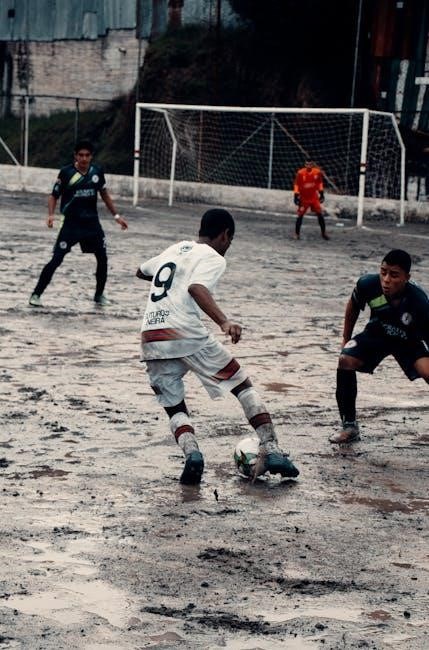
Specific Conditioning Drills
Interval training and small-sided games are crucial for developing soccer-specific endurance, replicating the high-intensity bursts and recovery periods of a match.
Interval Training Protocols
Implementing varied interval protocols is key to enhancing soccer players’ aerobic and anaerobic capacities. A common approach involves short-interval sprints (e.g., 30-meter sprints with 20-30 seconds recovery) to mimic game demands. Longer intervals, such as 400-meter runs with 1-2 minutes recovery, build endurance.
Progressive overload is vital; gradually increase sprint distances, reduce recovery times, or add repetitions. Shuttle runs, incorporating changes in direction, simulate the agility required in soccer. Consider incorporating a work-to-rest ratio of 1:1 or 1:2, adjusting based on player fitness levels. Monitoring heart rate zones during intervals ensures appropriate intensity.
Finally, remember to include a thorough warm-up before each session and a cool-down afterward to prevent injury and promote recovery.
Small-Sided Games for Conditioning
Small-sided games (SSGs) are exceptionally effective for soccer-specific conditioning, blending technical skill development with high-intensity interval training. Games like 3v3, 4v4, or 5v5 on reduced field sizes force players to cover more ground and make frequent changes in direction.
Varying the rules – such as limiting touches or requiring a certain number of passes before shooting – further enhances conditioning and tactical awareness. SSGs naturally replicate the intermittent nature of a soccer match, improving both aerobic and anaerobic fitness.
Adjust field size and player numbers to control intensity. Encourage quick transitions between attack and defense to maximize conditioning benefits.
Nutrition for Soccer Players
Optimal soccer performance relies on a balanced diet with sufficient macronutrients – carbohydrates for energy, protein for recovery, and healthy fats for overall health.
Macronutrient Requirements
Soccer players demand a carefully calibrated macronutrient intake to fuel intense training and competition. Carbohydrates are paramount, constituting 55-65% of total daily calories, prioritizing complex sources like whole grains, fruits, and vegetables for sustained energy release.
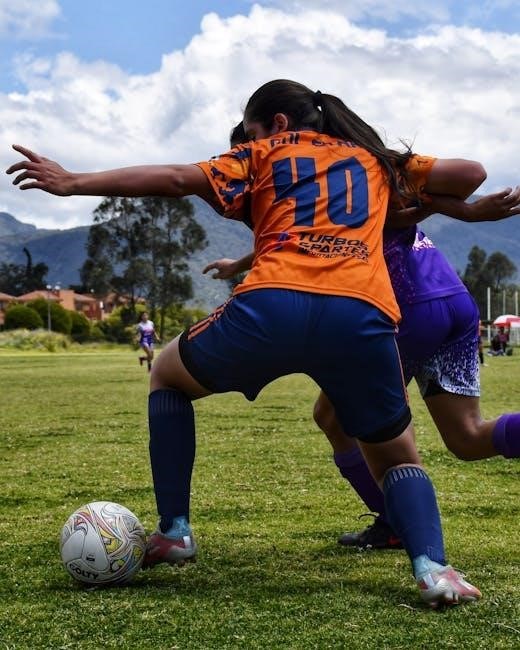
Protein intake should range from 1.4 to 1.7 grams per kilogram of body weight, crucial for muscle repair and growth, sourced from lean meats, fish, and plant-based options. Fats, comprising 20-30% of daily calories, should emphasize unsaturated fats found in avocados, nuts, and olive oil, supporting hormone production and overall health.
Timing is also key; pre-exercise meals should be carbohydrate-rich, while post-exercise nutrition should prioritize both carbohydrates and protein to replenish glycogen stores and initiate muscle recovery. Individual needs vary based on position, training load, and metabolic rate.
Hydration Strategies
Maintaining optimal hydration is non-negotiable for soccer players, directly impacting performance, endurance, and injury prevention. Players should proactively hydrate throughout the day, not just during training or matches, aiming for a consistent fluid intake.
Pre-hydration, starting 2-3 hours before activity, is vital, followed by continued fluid consumption during exercise – approximately 150-350ml every 15-20 minutes, adjusted for environmental conditions and sweat rate. Post-exercise rehydration should focus on replacing lost fluids, ideally with electrolyte-rich beverages.
Monitoring urine color can serve as a simple hydration indicator; pale yellow suggests adequate hydration, while dark urine signals dehydration. Individual sweat rates vary significantly, necessitating personalized hydration plans.

Program Evaluation & Monitoring
Regularly track player progress using performance metrics and fitness assessments. Adjust the program dynamically based on individual responses and overall team performance data.
Tracking Player Progress
Consistent monitoring is crucial for program effectiveness. Implement a system to record key performance indicators (KPIs) such as sprint times, jump height, and strength gains. Utilize GPS tracking during training sessions to assess distance covered, high-speed running, and workload distribution.
Regular fitness testing – including assessments of agility, endurance, and power – provides baseline data and reveals improvements. Maintain detailed training logs documenting exercise selection, sets, repetitions, and perceived exertion.
Subjective feedback from players regarding fatigue levels and muscle soreness is also valuable. Analyze collected data to identify trends, potential overtraining, and areas needing adjustment. This data-driven approach ensures the program remains optimized for each athlete’s individual needs and contributes to overall team success.
Adjusting the Program Based on Performance
Regularly evaluate player responses to training and modify the program accordingly. If athletes demonstrate plateaus in strength or endurance, consider altering exercise selection, increasing volume, or adjusting intensity. Monitor for signs of overtraining – such as persistent fatigue, decreased performance, or increased injury risk – and reduce workload if necessary.
Individualize adjustments based on position-specific demands. For example, midfielders may require greater emphasis on endurance, while defenders need more focus on strength and power.
Incorporate feedback from players and coaching staff to refine the program. Flexibility is key; be prepared to adapt to unforeseen circumstances like injuries or changes in the competitive schedule. A responsive program maximizes player development and minimizes injury potential.