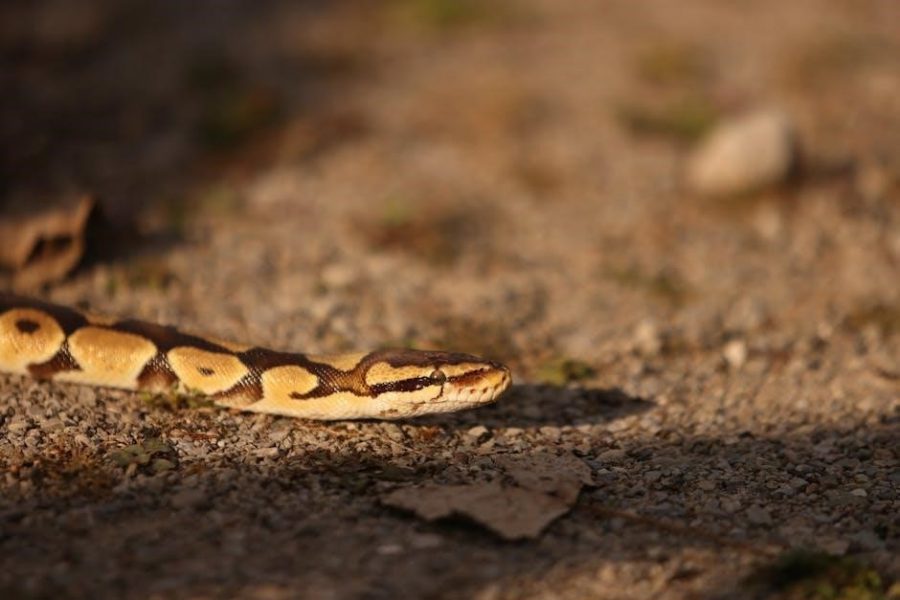
Ball python breeding showcases incredible genetic diversity, resulting in stunning morphs – variations in color and pattern. These unique snakes captivate reptile enthusiasts globally.
What are Ball Python Morphs?
Ball python morphs represent fascinating genetic variations within the species Python regius. These alterations manifest as differences in coloration, patterns, and even scale textures, creating a remarkable diversity among these snakes. Essentially, a morph is a visually distinct variation arising from genetic mutations.
Unlike wild-type ball pythons exhibiting typical brown and black patterns, morphs display a spectrum of colors – from vibrant yellows and oranges to striking blues and reds. Patterns can range from completely patternless to intricate designs. These traits aren’t simply cosmetic; they are encoded within the snake’s DNA and passed down through generations, making selective breeding possible.
Breeders meticulously work to establish and refine these morphs, creating increasingly complex and visually stunning combinations.
The History of Ball Python Morph Development
The journey of ball python morph development began relatively recently, gaining significant momentum in the late 20th and early 21st centuries. Initially, wild-caught specimens were imported, and rare color variations occasionally surfaced. However, purposeful breeding for specific traits truly started taking shape around 2000.
Brian Barczyk, with BHB Enterprises, played a pivotal role, developing the Lemon Blast morph in 2003 – a landmark achievement. Early morphs like Albino, discovered in the 1990s, laid the groundwork. As breeders gained a deeper understanding of ball python genetics, they began combining morphs, creating increasingly complex and desirable traits.
This progression continues today, with new morphs constantly emerging through dedicated breeding programs and genetic research.
Why are Morphs so Popular?
The allure of ball python morphs stems from their breathtaking aesthetic diversity. Unlike wild-type snakes, morphs offer a stunning spectrum of colors, patterns, and unique appearances, appealing to collectors and enthusiasts seeking visually striking reptiles. This variety allows individuals to own a truly unique animal.
Beyond aesthetics, morphs represent the fascinating science of genetics in action. The ability to selectively breed for specific traits is intellectually stimulating for breeders and hobbyists alike. The increasing complexity of combined morphs adds another layer of intrigue.
Finally, morphs have become a significant part of the reptile community, driving innovation and fostering a passionate following.
Understanding Ball Python Genetics
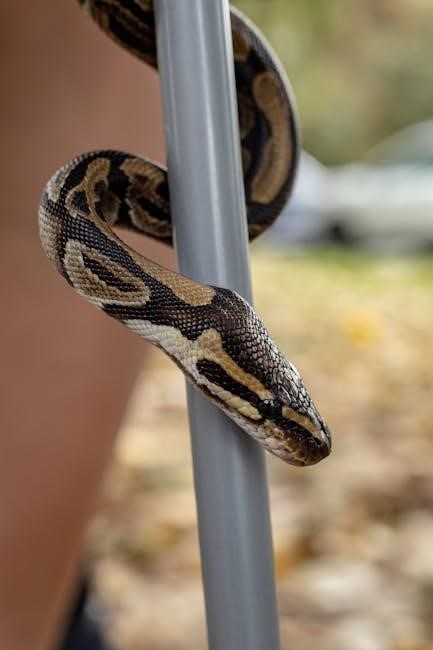
Ball python coloration and patterns are dictated by their genes, with morphs arising from genetic mutations. Understanding these principles is crucial for breeders.
Recessive Genes
Recessive genes necessitate two copies for visible expression in ball pythons. A snake possessing only one copy is termed “heterozygous,” acting as a carrier without displaying the morph. To produce a visibly recessive morph, both parents must contribute the gene.
For instance, the Albino morph is a classic example of recessive inheritance. If both parents carry the Albino gene, there’s a 25% chance their offspring will be Albino, a 50% chance they’ll be carriers, and a 25% chance they won’t have the gene at all. This explains why recessive morphs were initially rare and valuable, requiring dedicated breeding to establish consistent lines.
Dominant Genes
Dominant genes in ball pythons express their trait with just a single copy present. This means if a snake inherits the dominant gene from one parent, it will display the associated morph, regardless of the other gene copy. However, identifying true dominant traits can be complex.
Unlike recessive traits, proving a gene is truly dominant requires extensive breeding and observation across multiple generations. A snake with a dominant gene can pass it on to 50% of its offspring. While seemingly straightforward, distinguishing true dominance from incomplete dominance or co-dominance requires careful genetic analysis and pedigree tracking within the ball python community.
Co-Dominant Genes
Co-dominant genes in ball python genetics present a unique expression pattern. Unlike dominant genes where one allele masks another, both alleles are visibly expressed in the offspring. This results in a blended or combined phenotype, showcasing characteristics of both genes.
A classic example is the Albino morph, with variations like Albino, Candy, and Toffee. Each allele contributes to a distinct shade of yellow, creating a spectrum of appearances. Heterozygous individuals (carrying one copy of each allele) display an intermediate color. Identifying co-dominance requires observing the distinct expression of both gene copies, making it crucial for breeders aiming for specific color combinations.
Incomplete Dominant Genes
Incomplete dominance in ball python genetics differs from both complete and co-dominance. Here, neither allele fully masks the other, leading to a blended phenotype in heterozygous individuals. Instead of a combined expression, a completely new, intermediate trait emerges.
While less common than other inheritance patterns in ball pythons, understanding incomplete dominance is vital for predicting offspring traits. The resulting phenotype isn’t simply a mix, but a novel expression influenced by both alleles. Breeders utilize this knowledge to create unique morph combinations, carefully selecting breeding pairs to achieve desired outcomes. Careful pedigree analysis is essential for tracking these genes.
Polygenic Traits
Polygenic traits in ball pythons are controlled by multiple genes, each contributing a small effect to the overall phenotype. Unlike single-gene traits with clear inheritance patterns, these are far more complex to predict. Examples include subtle variations in color intensity or pattern expression, making breeding for specific outcomes challenging.
These traits don’t follow simple Mendelian ratios; instead, they exhibit a continuous range of variation. Breeders often rely on selective breeding over multiple generations to enhance desired polygenic characteristics. Understanding the interplay of these genes requires extensive data and careful observation of offspring, making it a fascinating, yet intricate, aspect of ball python genetics.
Popular Ball Python Morph Categories
Ball python morphs are broadly categorized by their visual characteristics: Albino, Patternless, Color, and Enchi, each offering unique aesthetic qualities for breeders.
Albino Morphs
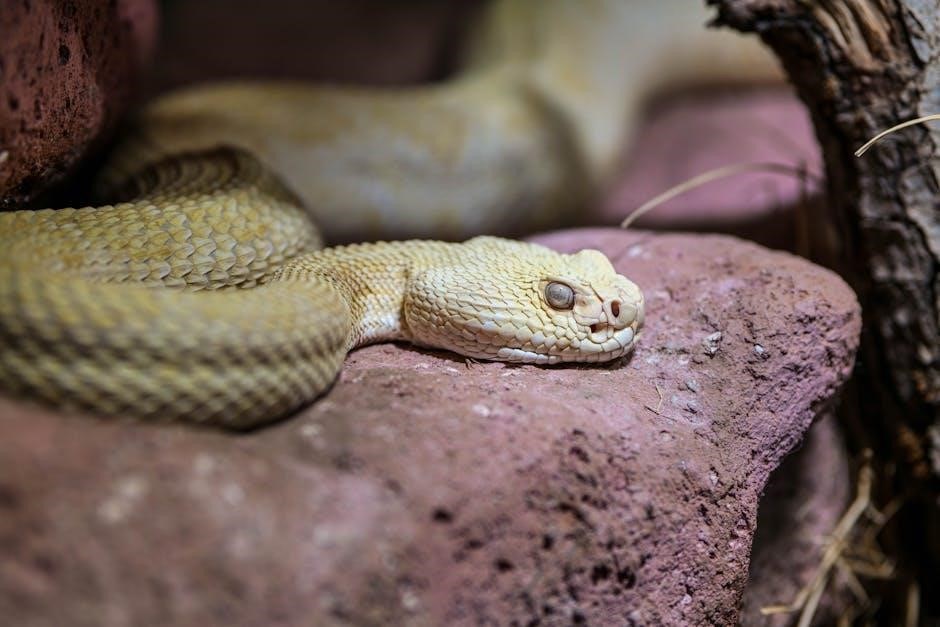
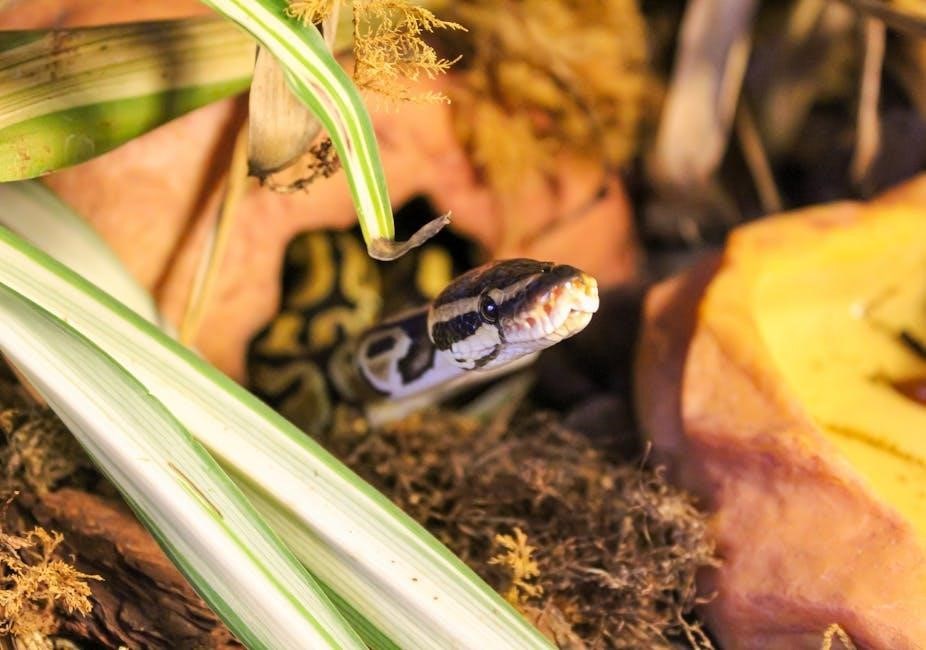
Albino ball pythons represent a cornerstone of morph development, characterized by a complete lack of dark pigmentation. Breeders recognize three distinct alleles: Albino, Candy, and Toffee, each producing a unique shade of yellow and white. The original Albino morph, developed years ago, displays a bright, clean white coloration.
Candy Albino exhibits a more golden hue, often with a reddish tinge, while Toffee Albino presents a warmer, brownish-yellow appearance. Understanding these variations is crucial for predicting offspring coloration. Genetic testing can confirm the specific albino allele present, aiding breeders in targeted breeding programs to achieve desired results. These morphs continue to be highly sought after due to their striking appearance and genetic complexity.
Patternless Morphs
Patternless ball python morphs are highly prized for their clean, uncluttered appearance, lacking the typical spots and markings found in wild-type snakes. These morphs often result from recessive genes that suppress pattern development. Several key morphs contribute to patternless traits, including Pastel and Enchi, which, when combined, can produce remarkably clean looks.
Breeding for patternless morphs requires careful consideration of genetic combinations. While some combinations yield completely patternless individuals, others may exhibit faint remnants of patterning. The goal is often to minimize or eliminate any visible markings, creating a sleek and uniform coloration. These snakes offer a unique aesthetic appeal, making them popular among collectors and enthusiasts.
Color Morphs
Color morphs in ball pythons represent a fascinating area of genetic variation, impacting the snake’s pigmentation and hue. These morphs range from vibrant yellows and oranges to deep reds and browns, offering a stunning spectrum of colors beyond the typical wild-type appearance. Albino variations, like Candy and Toffee, dramatically alter the snake’s coloration, removing dark pigment;
The genetic basis of color morphs is complex, often involving multiple genes interacting to produce the final phenotype. Breeders meticulously combine different genes to create unique and desirable color combinations. Understanding these genetic interactions is crucial for predicting offspring coloration and achieving specific breeding goals. These morphs showcase the beauty and diversity within the species.
Enchi Morphs
Enchi ball python morphs are highly sought after for their unique and striking appearance, characterized by a reduced pattern and enhanced coloration. The Enchi gene typically results in a blurring or breaking up of the snake’s typical markings, creating a visually dynamic effect. This morph often exhibits a brighter, cleaner look compared to wild-type ball pythons.
Genetically, Enchi is considered a dominant trait, meaning only one copy of the gene is needed for the expression of the morph. Breeders frequently combine the Enchi gene with other morphs to create even more complex and visually appealing combinations. The Enchi morph consistently adds value and desirability to ball python breeding projects, showcasing its popularity.
Specific Notable Ball Python Morphs
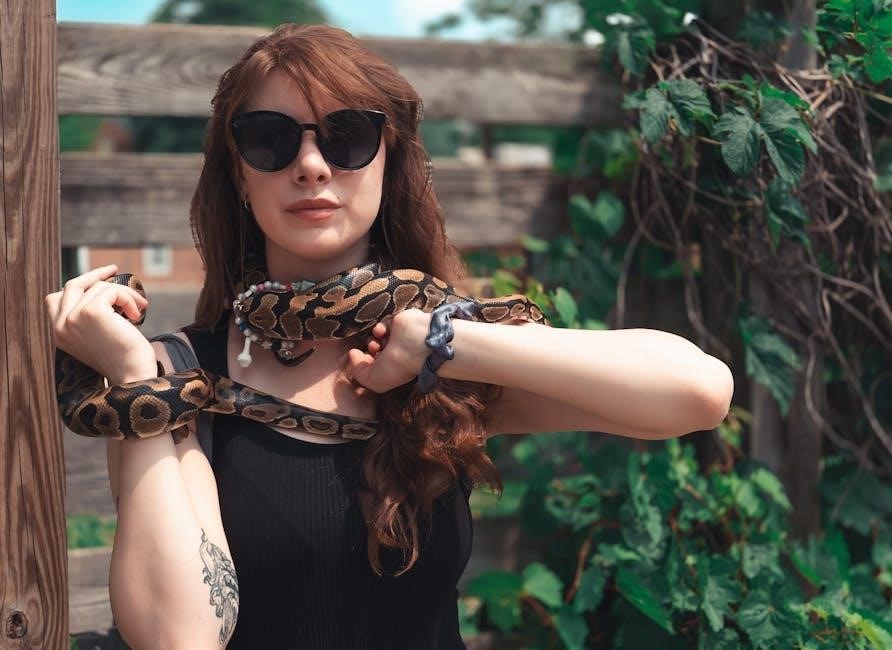
Certain ball python morphs, like Lemon Blast, Spider, Pied, Banana, and Fire, stand out due to their striking appearances and significant contributions to breeding.
Lemon Blast
Lemon Blast ball pythons, originally developed in 2003 by Brian Barczyk of BHB Enterprises, are renowned for their exceptionally vibrant and visually striking appearance. This morph consistently delivers intense yellows and bright patterns, making each snake uniquely beautiful. Breeders highly value Lemon Blast for its consistent expression and ability to enhance other morph combinations.
The Lemon Blast gene is recessive, meaning both parents must carry it for offspring to exhibit the full morph. It significantly impacts the snake’s coloration, creating a glowing, almost neon-like effect. These snakes are a favorite among collectors and enthusiasts seeking a truly remarkable reptile companion, and continue to be a cornerstone in modern ball python breeding programs.
Spider
The Spider ball python morph is widely recognized, yet also controversial due to its association with neurological issues, often manifesting as a head wobble or difficulty righting themselves. This morph dramatically alters the pattern, creating a web-like appearance – hence the name – with intricate, broken lines against a darker background.
Despite its aesthetic appeal, the potential for neurological problems has led to ethical debates within the reptile community. Breeders are increasingly cautious about breeding Spider morphs, and many advocate for avoiding it altogether. Responsible ownership involves understanding these risks and providing specialized care if a Spider morph is acquired. Careful consideration is crucial before obtaining one.
Pied
Pied ball pythons are instantly recognizable due to their striking patchwork pattern of scales – a mix of normally colored scales interspersed with areas lacking pigment. The amount of white (or lighter coloration) varies significantly between individuals, making each Pied morph uniquely patterned. This variation is a key factor in their desirability and value.
The genetics behind the Pied morph are complex, involving a recessive gene. Breeding two Pied snakes together doesn’t guarantee offspring will display the pattern; it requires careful genetic planning. Higher expression of white patterning generally commands a higher price, making exceptionally patterned individuals highly sought after by collectors and enthusiasts.
Banana
Banana ball pythons are celebrated for their vibrant, bright yellow coloration, often described as resembling a ripe banana – hence the name! This morph exhibits a significant reduction in dark pigment, resulting in a striking, almost glowing appearance. The intensity of the yellow can vary, with some individuals displaying a more washed-out hue.
Genetically, the Banana morph is a recessive trait, meaning both parents must carry the gene for offspring to express it. It’s frequently combined with other morphs to create even more visually stunning combinations. However, the Banana gene is linked to a neurological issue known as “wobble”, impacting some snakes.
Fire
Fire ball pythons are renowned for their striking, glowing shades of gold and yellow, a beautiful departure from the typical browns of wild-type snakes. This morph results from a reduction in the snake’s normal pattern, creating a clean, bright appearance. The intensity of the yellow coloration can vary between individuals, with some exhibiting a more vibrant hue than others.
The Fire morph is a co-dominant genetic trait. When paired with another Fire, it intensifies the yellow coloration. Combining Fire with other morphs, like Banana or Albino, produces exceptionally bright and unique combinations, highly sought after by breeders and enthusiasts.
Complex and Combined Morphs
Super morphs and triple gene combinations unlock extraordinary patterns and colors in ball pythons, showcasing the power of selective breeding and genetics.
Super Morphs
Super morphs represent a fascinating aspect of ball python breeding, arising when two copies of a recessive or co-dominant gene are combined. This isn’t simply a heightened expression of the original morph; instead, it often results in entirely new and unexpected visual appearances. For instance, a “super” form of a recessive gene might eliminate the pattern altogether, creating a clean, uniform coloration.
Breeders meticulously work to achieve these combinations, understanding the underlying genetics to predict outcomes. The resulting morphs can be incredibly valuable and sought after by collectors. Successfully creating super morphs requires careful planning and often, multiple generations of selective breeding to ensure the desired traits are consistently expressed. They demonstrate the remarkable plasticity within the ball python genome.
Triple Gene Combinations
Triple gene combinations in ball pythons represent the pinnacle of complex morph breeding, demanding a deep understanding of reptile genetics. These combinations involve carefully selecting and breeding snakes possessing three different morph alleles, resulting in truly unique and often breathtaking visual expressions. Achieving successful triple combinations requires meticulous record-keeping and precise predictions of inheritance patterns.
Breeders aim to create synergistic effects, where the combined genes produce a result greater than the sum of their parts. These morphs often command high prices due to their rarity and complexity. The process is not without challenges, as the probability of obtaining the desired combination decreases with each added gene, necessitating dedicated breeding programs.
The Role of Line Breeding
Line breeding plays a crucial, yet controversial, role in ball python morph development. It involves selectively breeding individuals within a family to concentrate desirable traits and enhance genetic consistency. While it can solidify specific morph characteristics and improve type, it also carries risks of exposing recessive genes responsible for health issues or undesirable traits.
Responsible breeders utilize line breeding cautiously, meticulously tracking pedigrees and prioritizing health and vigor alongside aesthetic qualities. Careful monitoring helps minimize inbreeding depression and maintain a healthy genetic pool. The goal isn’t simply replicating a morph, but refining it while preserving overall snake well-being.
Identifying Ball Python Morphs
Accurate morph identification requires examining visual traits, utilizing online databases, and carefully reviewing the snake’s pedigree for genetic lineage details.
Using Online Morph Databases
Ball python enthusiasts benefit greatly from comprehensive online morph databases, serving as invaluable resources for identification and genetic understanding. These platforms compile extensive information, including detailed descriptions, images, and genetic breakdowns of countless morphs.
Users can search by visual characteristics, suspected genes, or known parentage to narrow down possibilities. Many databases also feature “genetic wizard” tools, allowing breeders to predict potential offspring combinations.
Reliable databases often include breeder lists and community forums, fostering collaboration and knowledge sharing. However, it’s crucial to verify information from multiple sources, as morph identification can be complex and occasionally subject to debate within the reptile community. Always cross-reference findings for accuracy.
Recognizing Key Visual Traits
Identifying ball python morphs relies heavily on observing distinct visual traits. These include alterations in color – like the vibrant yellows of Fire morphs or the absence of pigment in Albino varieties. Pattern disruptions are also crucial; Patternless morphs exhibit a clean appearance, while others display unique alien head patterns.
Pay close attention to scale characteristics, such as reduced patterning or altered scale types. The Spider morph, for example, is known for its “spiderweb” pattern. However, visual identification alone can be misleading, as similar traits can arise from different genetic combinations.
Combining visual assessment with pedigree information and genetic testing provides the most accurate identification.
The Importance of Pedigrees
Ball python pedigrees are essential tools for understanding an animal’s genetic makeup and predicting potential offspring traits. A pedigree meticulously documents a snake’s lineage, tracing its ancestors and the morphs they carried; This historical record reveals hidden genes – those not visibly expressed but inheritable.
Detailed pedigrees help breeders avoid unintentional line breeding, which can increase the risk of genetic defects. They also clarify complex morph combinations, ensuring accurate labeling and pricing. Knowing the lineage allows for informed breeding decisions, maximizing the chances of producing desired traits.
Reliable breeders prioritize comprehensive pedigree documentation, offering transparency and building trust within the reptile community.
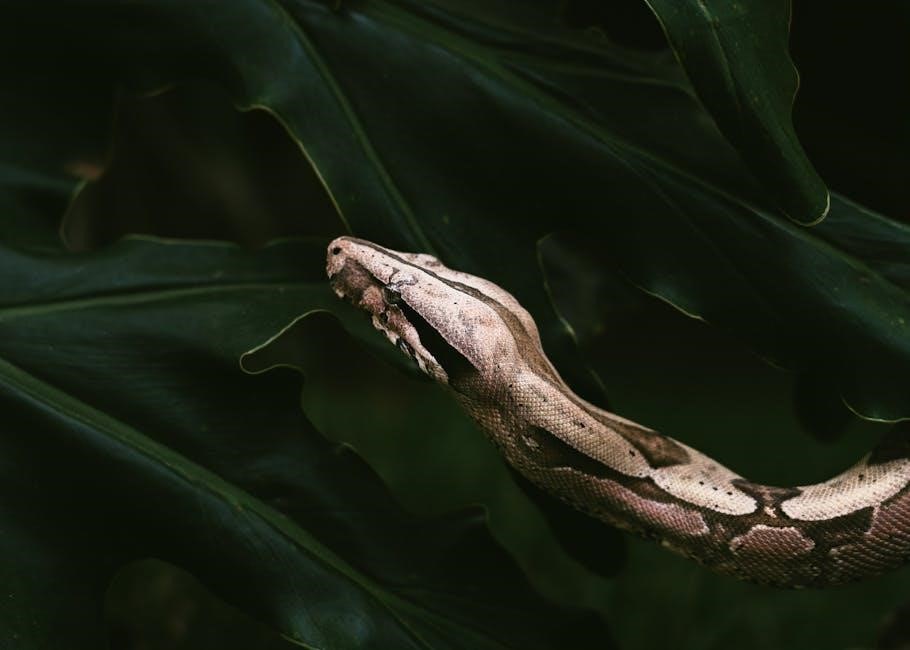
Ball Python Morph Genetics in Detail
Ball python coloration genetics are complex, with alleles like Albino, Candy, and Toffee influencing pigmentation. Understanding heterozygous genes is crucial for breeders.
The Albino Gene Variations (Albino, Candy, Toffee)
Ball python breeders recognize three distinct alleles within the Albino gene: Albino, Candy, and Toffee, each producing a unique visual expression. The classic Albino morph exhibits a complete lack of dark pigment, resulting in a bright white and yellow snake. Candy Albino displays a more vibrant, orange-toned hue, often with flecks of darker coloration.
Toffee Albino presents a warmer, brownish-orange coloration, differing subtly from Candy. These variations arise from differing levels of pigment reduction and modification. Genetic testing can help determine which allele a snake carries, crucial for predicting offspring coloration. Understanding these nuances is vital for breeders aiming to produce specific Albino variations and maintain genetic quality within their lines.
Understanding Heterozygous Genetics
Heterozygous genetics in ball pythons doesn’t simply mean one normal gene and one morph gene at a locus. It signifies an organism possessing two different alleles for a specific gene. A heterozygous snake for a recessive trait won’t visually express the morph but carries the gene, potentially passing it to offspring.
This is crucial for breeding. Pairing a heterozygous snake with another carrying the same recessive gene increases the chance of producing visual morphs. Understanding heterozygous combinations requires careful pedigree analysis and, often, genetic testing. Breeders utilize this knowledge to strategically plan pairings, maximizing the probability of desired outcomes and avoiding unwanted traits.
Genetic Wizard Tools and Resources
Predicting offspring outcomes in ball python breeding can be complex, thankfully, several online “Genetic Wizard” tools simplify the process. These resources allow breeders to input parental morphs and calculate the probabilities of various genetic combinations appearing in their hatchlings.
Beyond wizards, extensive morph databases, like those cataloging over 7600 variations, provide visual references and genetic information. Online communities and breeder forums offer valuable shared knowledge. Utilizing these tools alongside thorough pedigree research is essential for responsible breeding practices and achieving desired morph combinations.
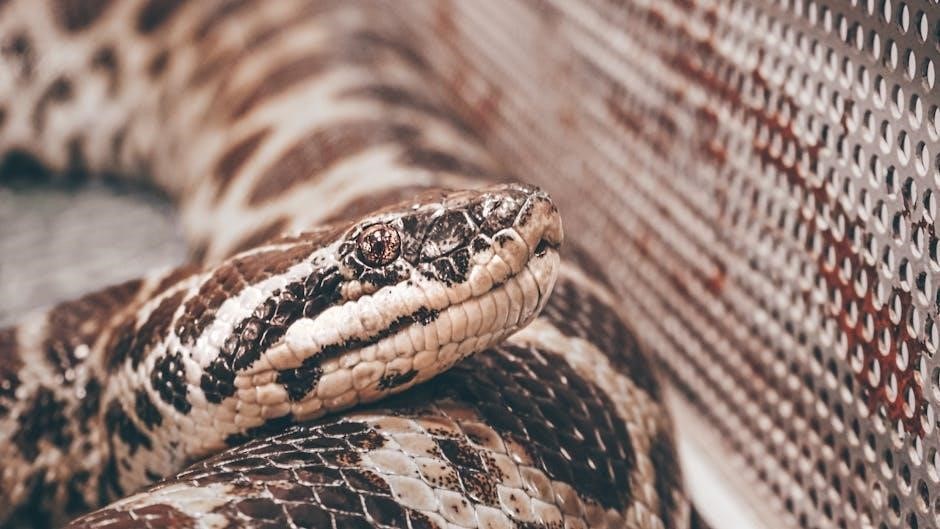
The Future of Ball Python Morph Breeding
Continued discovery of new morphs, alongside ethical breeding practices and maintaining genetic diversity, will shape the exciting future of ball python breeding.
New Morph Discoveries
The realm of ball python morphs is perpetually expanding, driven by ongoing genetic mutations and innovative breeding combinations. Breeders continuously strive to unlock novel visual expressions, pushing the boundaries of what’s possible within the species. These discoveries aren’t simply aesthetic; they represent a deeper understanding of ball python genetics.
Recent years have witnessed the emergence of complex multi-gene morphs, showcasing the intricate interplay of various alleles. The potential for future discoveries remains vast, as breeders explore uncharted genetic territories. Expect to see further refinement of existing morphs, alongside entirely new colorations and patterns. Community science approaches, leveraging data from numerous breeders, are accelerating this process, promising a vibrant and ever-evolving landscape of ball python morphs.
Ethical Considerations in Morph Breeding
As ball python morph breeding intensifies, ethical considerations become paramount. Prioritizing animal welfare must supersede the pursuit of rare or visually striking traits. Concerns arise regarding the breeding of morphs linked to neurological issues, like the Spider morph, which can exhibit a wobbly gait and reduced responsiveness.
Responsible breeders prioritize health and temperament, avoiding pairings that demonstrably compromise these qualities. Maintaining genetic diversity is crucial to prevent inbreeding depression and ensure the long-term viability of the species. Transparency regarding potential health concerns associated with specific morphs is also essential. Breeders have a duty to educate buyers and promote responsible husbandry practices, fostering a sustainable and ethical breeding community.
Maintaining Genetic Diversity
Genetic diversity is vital for the health and resilience of ball python populations, especially with the rise of selective breeding for specific morphs. Intensive focus on a limited gene pool can lead to inbreeding depression, manifesting as reduced fertility, weakened immune systems, and increased susceptibility to diseases.
Responsible breeders actively work to broaden the gene pool by introducing new bloodlines and carefully planning pairings. Outcrossing – breeding individuals from distinct lineages – helps mitigate the risks associated with inbreeding. Thorough record-keeping of pedigrees is essential for tracking ancestry and avoiding close relatives. Prioritizing genetic health alongside aesthetic traits ensures the long-term well-being of these fascinating reptiles.