Cardstock Thickness Guide: A Comprehensive Overview
Navigating the world of cardstock requires understanding its weight and how it impacts project success; this guide details crucial aspects for informed decisions.
Understanding Cardstock Weight
Cardstock weight is a fundamental aspect to grasp when selecting the right paper for your projects. It’s not about physical weight‚ but rather a measurement of paper density‚ indicating how substantial the paper feels. This density directly influences the paper’s stiffness‚ durability‚ and overall quality of the finished product.
Generally‚ cardstock weight is expressed in pounds (lbs) or grams per square meter (gsm). The higher the number‚ the heavier and thicker the cardstock. Heavier weights are ideal for projects needing structure‚ like business cards or book covers‚ while lighter weights suit applications like flyers or inserts. Understanding this correlation is key to achieving professional results. Choosing the appropriate weight ensures your project not only looks good but also functions as intended‚ whether it’s withstanding frequent handling or providing a luxurious feel.
Different projects demand different weights‚ so considering the intended use is paramount.
What is Cardstock?
Cardstock is a versatile paper stock‚ thicker and more durable than standard printer paper. It bridges the gap between lightweight paper and heavier cardboard‚ offering a robust yet workable material for a wide array of creative and professional applications. Unlike regular paper‚ typically around 20lb weight‚ cardstock generally starts at 65lb and goes up to 130lb or even higher;
This increased thickness provides a more substantial feel‚ making it ideal for projects requiring longevity and a premium aesthetic. Cardstock isn’t just about weight; it also comes in various finishes – smooth‚ textured‚ coated‚ and uncoated – each impacting print quality and visual appeal. It’s commonly used for crafting‚ invitations‚ business cards‚ and packaging‚ offering a sturdy base for designs and text.

Essentially‚ cardstock is a go-to choice when you need paper with a little more substance and sophistication.
Measuring Cardstock Thickness: GSM vs. Lbs
Cardstock thickness is commonly measured in two units: pounds (lbs) and grams per square meter (GSM). In the United States‚ pounds are traditionally used‚ indicating the weight of 500 sheets of the paper’s original size. However‚ this system can be confusing as the ‘original size’ varies. GSM‚ a metric unit‚ offers a more consistent and internationally recognized measurement – it directly represents the mass of the paper.
Generally‚ a higher GSM or lbs value signifies a thicker‚ more substantial cardstock. A rough conversion is that 65lb cardstock equates to approximately 176 GSM‚ 80lb to 216 GSM‚ 100lb to 270 GSM‚ and 110lb to around 300 GSM. Understanding both systems is helpful‚ as suppliers may use either.
For accurate comparisons‚ it’s best to refer to a conversion chart or ask the supplier for both measurements. Choosing the right weight depends on the project’s requirements for durability and feel.
Common Cardstock Weights & Their Uses
Exploring various cardstock weights reveals diverse applications‚ from lightweight crafting to robust professional materials; selecting the appropriate weight is crucial for project success.
65lb Cardstock: Lightweight Applications
65lb cardstock represents a lighter weight option‚ ideally suited for projects where substantial rigidity isn’t a primary concern. This weight is frequently chosen for crafting endeavors like paper flowers‚ origami‚ and other decorative elements where a delicate feel is desired. It’s also a practical choice for preliminary drafts‚ sketching‚ and internal documents where cost-effectiveness is key.
While not robust enough for demanding applications like business cards or postcards that require mailing without envelopes‚ 65lb cardstock excels in situations where layering is involved‚ as multiple sheets can be combined without excessive bulk. Think of crafting layered card embellishments or creating lightweight inserts for presentations.
Printing on 65lb cardstock generally yields good results with both inkjet and laser printers‚ though heavier ink coverage might cause some slight show-through. It’s a versatile starting point for those new to cardstock or for projects prioritizing affordability and a lighter touch.
80lb Cardstock: Versatile Everyday Use
80lb cardstock strikes a balance between affordability and durability‚ making it a remarkably versatile choice for a wide array of projects. Often considered the “go-to” weight for everyday crafting and printing needs‚ it’s substantial enough to feel premium without being overly rigid. This weight performs admirably for applications like flyers‚ brochures‚ reports‚ and presentation materials where a professional appearance is desired.
It’s also a solid option for crafting greeting cards‚ invitations (especially when paired with envelopes)‚ and scrapbook pages. The 80lb weight provides enough structure to hold embellishments and withstand handling without easily bending or tearing.
Compatibility with both inkjet and laser printers is generally excellent‚ offering vibrant color reproduction and crisp text. It’s a reliable choice for projects requiring a balance of quality‚ cost‚ and ease of use‚ making it a staple in many creative spaces.
100lb Cardstock: Premium Feel & Durability
Stepping up from 80lb‚ 100lb cardstock delivers a noticeably more substantial and luxurious feel. This weight offers enhanced durability‚ making it ideal for projects demanding a higher perceived value and increased longevity. It’s a popular choice for applications where a premium impression is crucial‚ such as business cards‚ postcards‚ and high-end marketing materials.
For crafting‚ 100lb cardstock excels in creating elegant invitations‚ RSVP cards‚ and layered card designs. Its thickness provides a robust base for intricate cuts‚ embossing‚ and other embellishments. It holds its shape beautifully and resists bending or warping.
While generally printer-friendly‚ it’s always wise to test compatibility‚ particularly with inkjet printers‚ to ensure optimal results. The added weight contributes to a more professional finish and a satisfying tactile experience‚ justifying its slightly higher cost.
110lb Cardstock: Ideal for Invitations & Cards
Elevating your stationery to a new level of sophistication‚ 110lb cardstock is specifically favored for invitations‚ greeting cards‚ and announcements. This weight strikes an excellent balance between substantial feel and ease of handling‚ offering a premium quality without being overly rigid. It provides a luxurious texture that immediately conveys importance and thoughtfulness.
The increased thickness compared to 100lb cardstock ensures a more durable and lasting impression‚ resisting bending and creasing during mailing and handling. It’s particularly well-suited for intricate designs‚ foil stamping‚ and letterpress printing‚ showcasing details with exceptional clarity.
For DIY projects‚ 110lb cardstock holds up beautifully to scoring‚ folding‚ and embellishments. It’s a reliable choice for creating elegant‚ professional-looking cards that will be cherished by recipients. Always confirm printer compatibility before committing to a large print run.
130lb Cardstock: Sturdy & Professional
For projects demanding exceptional durability and a truly professional presentation‚ 130lb cardstock stands as a superior choice. This heavier weight offers remarkable rigidity‚ making it ideal for applications where structural integrity is paramount‚ such as high-end business cards‚ sturdy postcards‚ and presentation folders. It exudes quality and resilience.
Unlike lighter weights‚ 130lb cardstock minimizes the risk of bending or tearing‚ ensuring your materials maintain a polished appearance even with frequent handling. It’s an excellent option for projects involving die-cutting‚ embossing‚ or other intricate techniques‚ providing a solid base for detailed designs.
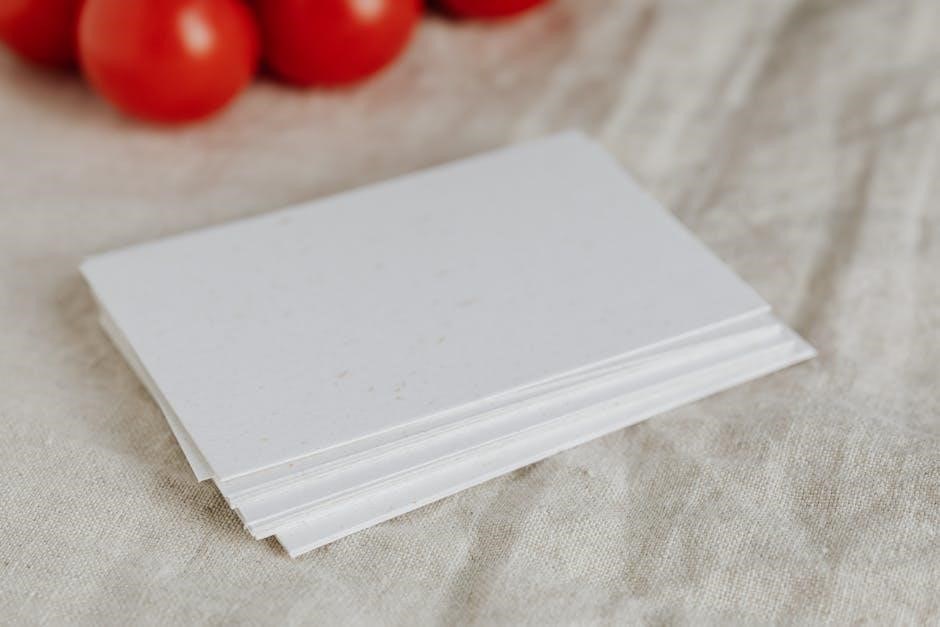
While slightly more challenging to fold than lighter stocks‚ the resulting crisp‚ clean lines contribute to a sophisticated finish. Consider printer compatibility‚ as not all printers can accommodate this thickness. It’s a worthwhile investment for projects where a lasting impression is crucial.
Cardstock Finishes & Coatings
Cardstock’s finish significantly impacts its aesthetic and functionality; options like smooth‚ textured‚ glossy‚ and matte coatings influence print quality and visual appeal.
Smooth Cardstock: Best for Printing
Smooth cardstock is a premier choice when high-quality printing is paramount‚ offering an exceptionally receptive surface for inks and toners. Its lack of texture ensures sharp‚ clean lines and vibrant color reproduction‚ making it ideal for projects where detail is crucial. This type of cardstock minimizes ink bleed‚ resulting in crisper text and images compared to textured alternatives.
Consequently‚ smooth cardstock excels in applications like business cards‚ brochures‚ and flyers where a professional‚ polished appearance is desired. It’s particularly well-suited for intricate designs‚ photographs‚ and graphics that demand precision. The smooth surface also facilitates easier handling by printers‚ reducing the risk of jams or misfeeds.
While it may not offer the tactile appeal of textured options‚ smooth cardstock’s superior printability makes it a go-to selection for projects prioritizing visual clarity and impact. Consider it for any application where the printed image needs to be the star‚ delivering a consistently professional result.
Textured Cardstock: Adding Visual Interest
Textured cardstock introduces a tactile dimension to your projects‚ elevating them beyond standard smooth finishes. Available in a diverse range of patterns – from subtle linen and laid finishes to more pronounced vellum and hammered effects – it adds depth and sophistication. This texture engages the sense of touch‚ creating a more memorable and premium feel for recipients.
However‚ it’s crucial to acknowledge that texture can slightly impact print quality. Fine details may not appear as sharply as on smooth cardstock‚ and ink coverage can vary depending on the depth and pattern of the texture. Therefore‚ it’s best suited for designs that don’t rely heavily on intricate gradients or extremely small text.
Textured cardstock shines in applications like wedding invitations‚ greeting cards‚ and artistic projects where the aesthetic and tactile experience are prioritized. It conveys a sense of quality and craftsmanship‚ making it an excellent choice for projects aiming to make a lasting impression. Careful design consideration is key to maximizing its potential.
Coated Cardstock: Glossy vs. Matte
Coated cardstock offers enhanced print quality and durability through the application of a surface coating. The two primary types – glossy and matte – cater to distinct aesthetic preferences and project requirements. Glossy coatings create a vibrant‚ shiny finish that makes colors pop‚ ideal for showcasing photographs and designs with bold imagery. However‚ glossy surfaces are prone to fingerprints and glare‚ potentially hindering readability under bright light.
Matte coatings‚ conversely‚ provide a smooth‚ non-reflective surface. They offer a more subdued and sophisticated look‚ reducing glare and enhancing text legibility. While colors may appear slightly less vibrant than on glossy stock‚ matte coatings offer a premium feel and are less susceptible to smudging.
The choice between glossy and matte depends on the desired visual impact and practical considerations. Glossy is excellent for eye-catching marketing materials‚ while matte is preferred for professional documents and projects requiring a refined‚ understated appearance.
Specific Project Cardstock Recommendations
Selecting the ideal cardstock hinges on the project; understanding weight‚ finish‚ and intended use ensures optimal results and a professional‚ polished final product.
Cardstock for Business Cards
Business cards demand a professional impression‚ making cardstock selection crucial. A weight of 14pt to 16pt (approximately 100lb to 110lb) is generally recommended for a substantial feel without being overly bulky. This thickness provides enough rigidity to withstand handling and repeated use‚ preventing bending or creasing.
Consider a smooth finish for optimal print quality‚ ensuring sharp text and vibrant colors. Coated cardstock‚ either glossy or matte‚ enhances the visual appeal and protects against wear and tear. Glossy finishes offer a sleek‚ modern look‚ while matte finishes convey a more sophisticated and understated aesthetic.
For a premium feel‚ explore options like textured cardstock or soft-touch coating. However‚ ensure your printer can accommodate these finishes. Avoid excessively thick cardstock (above 16pt) as it may not fit standard business card holders or be compatible with all printers. Ultimately‚ the best cardstock balances durability‚ print quality‚ and your brand’s desired image.
Cardstock for Invitations & RSVP Cards
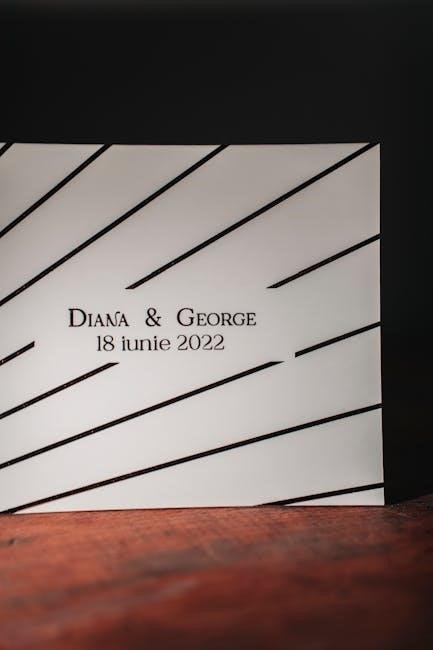
Invitations and RSVP cards require a balance of elegance and durability. For invitations‚ a weight between 100lb and 110lb cardstock is ideal‚ offering a premium feel without excessive bulk. This weight provides a substantial presence‚ conveying the importance of the event. RSVP cards can often utilize a slightly lighter weight‚ around 80lb to 100lb‚ as they are typically smaller and handled less frequently.
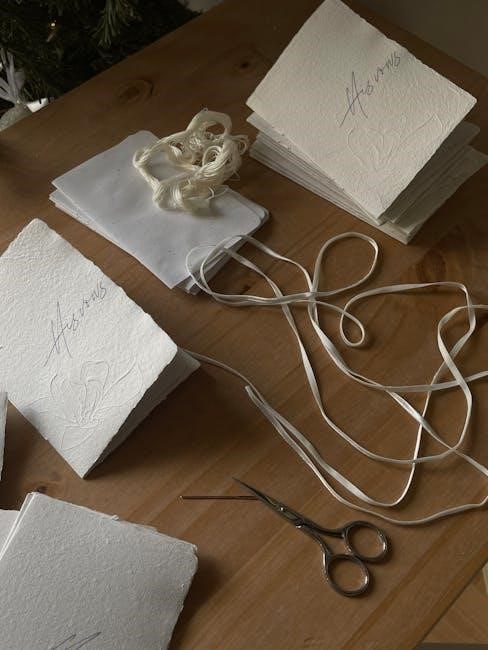
Consider textured cardstock to add a tactile element and visual interest‚ enhancing the perceived value. Smooth cardstock is excellent for detailed designs and vibrant colors‚ while a linen finish offers a classic‚ sophisticated look. For envelopes‚ matching the cardstock weight or using a slightly heavier weight ensures a cohesive presentation.
Coated cardstock (glossy or matte) protects against fingerprints and smudging‚ particularly important for mailed invitations. Ultimately‚ the chosen weight and finish should reflect the event’s formality and your personal style.
Cardstock for Scrapbooking
Scrapbooking demands cardstock that can withstand repeated handling‚ layering‚ and embellishments. A versatile choice is 80lb to 100lb cardstock‚ providing sufficient sturdiness for base pages and layering elements without being overly bulky. For interactive elements like flaps or pockets‚ consider 110lb cardstock for enhanced durability and structure.
Acid-free and lignin-free cardstock is crucial to prevent yellowing and deterioration of your precious memories over time. Textured cardstock adds visual depth and interest to layouts‚ while smooth cardstock is ideal for printing photos and detailed designs. Experiment with different finishes to create varied effects.
Heavier weights‚ like 130lb‚ are excellent for creating sturdy album covers or dimensional embellishments. Remember to consider your printer’s capabilities when selecting a weight‚ ensuring compatibility for optimal results.
Cardstock for Greeting Cards
Creating professional-looking greeting cards requires careful cardstock selection. For a classic‚ elegant feel‚ 100lb to 110lb cardstock is an excellent choice‚ offering a premium weight that feels substantial in the hand. This weight provides enough rigidity for folding and writing without being too thick for mailing.
If you plan to add heavier embellishments like ribbons‚ beads‚ or multiple layers‚ opt for 110lb or even 130lb cardstock to ensure the card maintains its shape and integrity. Coated cardstock‚ particularly a smooth finish‚ is ideal for vibrant‚ high-quality printing of designs and sentiments.
Consider the folding method; scored cardstock is essential for clean‚ crisp folds. For a more rustic or textured look‚ explore textured cardstock options. Always test print to ensure ink adhesion and color accuracy before producing a large batch.
Cardstock for Book Covers
Designing durable and visually appealing book covers demands robust cardstock. A minimum of 100lb cardstock is recommended‚ but 110lb to 130lb provides superior protection and a professional feel. The weight directly impacts the cover’s ability to withstand handling and resist bending or tearing.
For paperback books‚ 100lb coated cardstock offers a good balance of affordability and durability. Hardcover books necessitate heavier weights‚ ideally 130lb or higher‚ to maintain structural integrity; Consider a coated finish – glossy or matte – to enhance the print quality and protect the cover from scuffs and moisture.
Lamination is highly advisable for book covers‚ adding an extra layer of protection and enhancing the visual appeal. Ensure the chosen cardstock is compatible with your printer and lamination process. Testing is crucial to avoid issues like cracking or peeling.
Choosing the Right Cardstock for Your Printer
Printer compatibility is key; inkjet printers handle heavier weights‚ while laser printers require heat-resistant options‚ ensuring optimal print quality and preventing damage.
Inkjet vs. Laser Printers
Understanding the differences between inkjet and laser printers is crucial when selecting cardstock. Inkjet printers‚ utilizing liquid ink‚ generally perform well with a wider range of cardstock weights and finishes‚ offering vibrant colors and detailed images. However‚ excessive moisture from the ink can sometimes cause heavier cardstocks to buckle or jam‚ so testing is recommended.
Laser printers‚ on the other hand‚ employ toner – a dry powder – fused to the paper with heat. This makes them ideally suited for heavier cardstock weights‚ as the heat process doesn’t introduce moisture. However‚ not all cardstocks are laser-compatible; those with glossy or coated finishes may melt or damage the printer’s fuser.

Generally‚ inkjet printers can handle cardstock up to 80lb-100lb‚ while laser printers can often accommodate weights up to 110lb or even 130lb. Always check your printer’s specifications for maximum supported paper weight. Performing a test print on a small section of the cardstock before committing to a large print run is always a prudent step to ensure compatibility and prevent potential issues.
Testing Cardstock Compatibility
Before embarking on a large-scale project‚ rigorously testing cardstock compatibility with your printer is paramount. Begin by printing a small test sheet – a simple design with both color and text – to assess how the cardstock feeds through the printer. Observe for any signs of jamming‚ misfeeding‚ or wrinkling during the printing process.
Next‚ examine the print quality. Check for ink smudging (common with inkjet printers and heavier weights) or toner adhesion issues (potential with laser printers and coated stocks). Ensure colors are vibrant and true to your design‚ and text is crisp and legible. If using a laser printer‚ carefully inspect the fuser area after testing for any melted or damaged cardstock residue.
Adjust printer settings‚ such as paper type and weight‚ to optimize performance. Experiment with different settings to find the best balance between print quality and printer functionality. A small investment in testing can save significant time‚ money‚ and frustration by preventing wasted materials and potential printer damage.