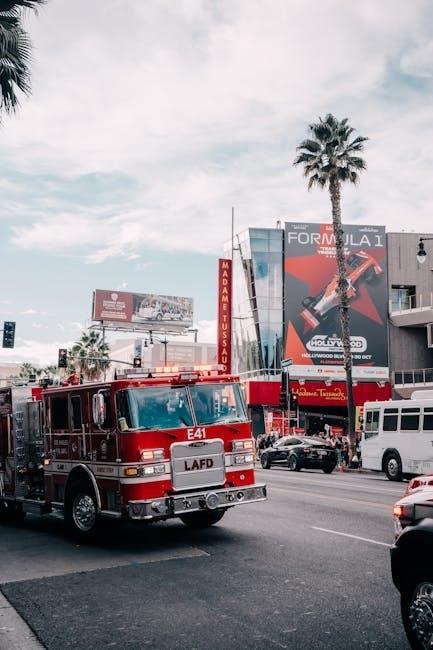
Fire Officer 1 Study Guide: An Overview
This guide prepares aspiring fire officers, covering roles, responsibilities, fire behavior, prevention, building construction, and departmental operations.
Fire Officers embody leadership, demanding a comprehensive understanding of diverse duties. They’re responsible for incident command, personnel management, and ensuring safety protocols are strictly followed.
Effective communication and meticulous documentation are crucial skills. Officers must also navigate legal and ethical considerations, upholding standards while making critical decisions during emergencies.
This role necessitates continuous professional development, staying current with NFPA standards and evolving fire dynamics to effectively lead and protect communities.
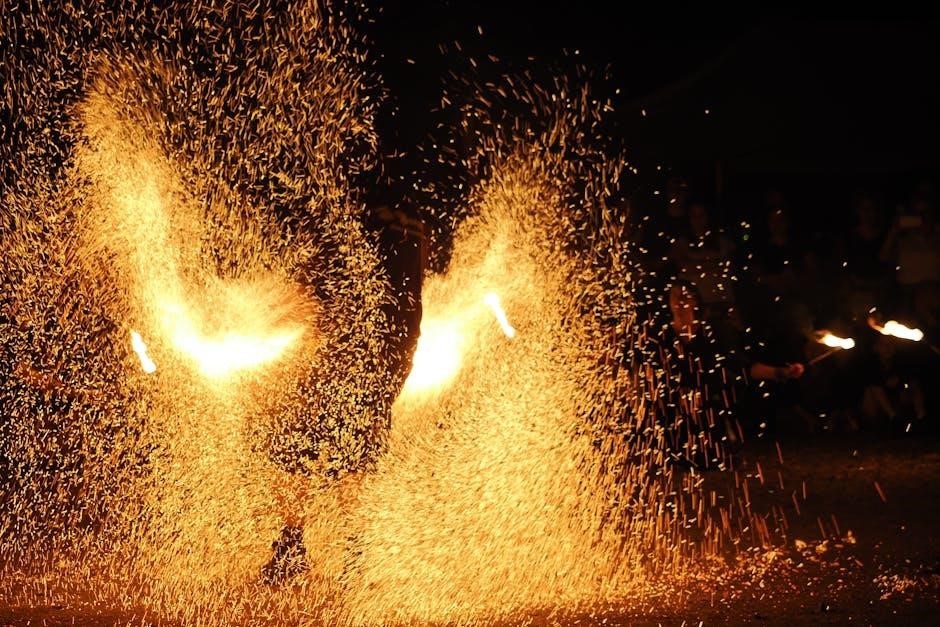
Fire Behavior & Combustion
Understanding fire’s nature—the triangle/tetrahedron, classes of fires (A-K), and developmental stages—is vital for effective fireground strategy and safety.
Understanding the Fire Triangle & Tetrahedron
The fire triangle illustrates the essential elements for combustion: heat, fuel, and an oxidizing agent (typically oxygen). Removing any side extinguishes the fire.
The tetrahedron adds a fourth element – the chemical chain reaction – explaining how sustained combustion occurs.
Fire officers must grasp these concepts to predict fire behavior, implement effective suppression tactics, and understand how interventions disrupt the combustion process.
This foundational knowledge is crucial for incident safety and successful fire control.
Classes of Fires (A, B, C, D, K)
Fire classifications dictate appropriate extinguishing agents. Class A involves ordinary combustibles like wood and paper; water is effective.
Class B fuels are flammable liquids – use foam or CO2. Class C fires involve energized electrical equipment; non-conductive agents are vital.
Class D concerns combustible metals, requiring specialized extinguishing powders.
Class K involves cooking oils and fats; wet chemical extinguishers are necessary.
Proper agent selection prevents fire spread and ensures firefighter safety.
Stages of Fire Development
Fire progression occurs in distinct stages: ignition, growth, fully developed, and decay.
Ignition requires heat, fuel, and an oxidizer. Growth sees rapid temperature and smoke increase.
The fully developed stage represents peak heat release and flame spread.
Decay occurs as fuel is consumed, and heat diminishes.
Understanding these stages is crucial for strategic fire suppression and effective incident command.

Fire Prevention & Life Safety
This section details common fire hazards, prevention strategies, and crucial fire protection systems like sprinklers and alarms for public safety.
Common Fire Hazards in Buildings
Identifying potential ignition sources is paramount for fire prevention. Electrical malfunctions, faulty wiring, and overloaded circuits frequently cause fires. Improper storage of flammable liquids and materials presents a significant risk.
Cooking equipment left unattended, heating systems lacking maintenance, and intentional acts like arson also contribute. Accumulated combustible dust, obstructed exits, and inadequate fire separation are critical hazards.
Regular inspections and addressing these issues proactively are essential for maintaining building safety and minimizing fire incidents.
Fire Prevention Strategies & Codes
Effective fire prevention relies on comprehensive strategies and adherence to established codes. Regular fire drills and public education programs enhance awareness and preparedness. Implementing and enforcing fire safety regulations within buildings is crucial.
Maintaining fire protection systems, like sprinklers and alarms, ensures rapid detection and suppression.
Compliance with NFPA standards and model codes (IFC, UBC) provides a framework for minimizing fire risks and safeguarding lives and property.
Fire Protection Systems (Sprinklers, Alarms)
Automatic sprinkler systems are vital for controlling and extinguishing fires, minimizing damage and providing occupants with escape time. Fire alarm systems offer early warning through detection devices, alerting occupants and the fire department.
Regular inspection, testing, and maintenance of these systems are essential for reliable operation.
Understanding system components, functionality, and code requirements is crucial for fire officers ensuring proper installation and effectiveness.
Building Construction & Fire Dynamics
This section examines how building types influence fire spread, structural integrity, and firefighting tactics, crucial for officer safety and strategy.
Types of Building Construction (Light Frame, Masonry, etc.)
Fire officers must understand various construction types – Light Frame (wood), Heavy Timber, Masonry (brick/stone), and Steel/Concrete. Each presents unique fire behavior challenges.
Light Frame structures burn rapidly, while masonry offers better fire resistance. Steel can lose strength at high temperatures, potentially leading to collapse.
Knowing these characteristics informs strategic decision-making regarding ventilation, fire suppression, and search & rescue operations, ensuring firefighter safety and effective incident management.
Impact of Building Construction on Fire Spread
Building construction significantly influences fire spread – concealed spaces in Light Frame accelerate it, while fire-rated walls in Masonry constructions slow it down.
Compartmentalization, achieved through fire walls and doors, limits spread. The presence of combustible materials within walls or attics dramatically increases fire risk.
Understanding these dynamics is crucial for predicting fire behavior, implementing effective containment strategies, and protecting both occupants and firefighters during emergency incidents.
Fire Department Operations & Tactics
This section details Incident Command System (ICS), search & rescue, and fire suppression strategies, essential for effective emergency response and firefighter safety.
Incident Command System (ICS)
The Incident Command System (ICS) is a standardized, on-scene, all-hazard incident management concept. It allows for effective and efficient incident management by providing a clear chain of command and unified control. Fire Officers must understand ICS principles, including roles like Incident Commander, Operations Section Chief, and Logistics Section Chief.
Proper implementation ensures clear communication, resource allocation, and overall incident stabilization. ICS facilitates interoperability between different agencies and jurisdictions, crucial during large-scale emergencies. Mastery of ICS is fundamental for effective leadership at any incident.
Search & Rescue Techniques
Effective search and rescue is paramount in fire incidents, demanding systematic approaches and risk assessment. Fire Officers must learn primary and secondary search techniques, utilizing tools like thermal imaging cameras and ropes. Rapid Intervention Teams (RIT) are crucial for firefighter rescue, requiring specialized training and equipment.
Understanding victim location, building construction, and fire behavior informs search strategies. Proper accountability systems and communication protocols are essential for ensuring firefighter and civilian safety during rescue operations.
Fire Suppression Tactics & Strategies
Fire suppression tactics require a thorough understanding of fire behavior and building construction. Officers must master techniques like coordinated attacks, ventilation strategies, and water application methods. Choosing the correct agent – water, foam, or dry chemical – is vital for effective extinguishment.
Strategic considerations include fire flow calculations, exposure protection, and maintaining situational awareness. Proper nozzle operation and team coordination are essential for a safe and efficient fire attack.

Fire Officer Leadership & Management
Effective leadership and personnel management are crucial for fire officers, demanding strong decision-making, discipline, and the ability to motivate teams.
Principles of Effective Leadership
Strong fire officer leadership hinges on several core principles. These include demonstrating integrity, fostering a positive team environment, and prioritizing clear communication.
Leaders must also exhibit decisiveness, especially under pressure, and empower their personnel through delegation and trust.
Continuous professional development and a commitment to ethical conduct are paramount, alongside the ability to inspire and motivate subordinates towards common goals.
Personnel Management & Discipline
Effective personnel management requires fair and consistent application of departmental policies, alongside proactive conflict resolution skills.
Fire officers must understand progressive discipline procedures, documenting all actions thoroughly and ensuring due process.
Cultivating a respectful work environment, providing constructive feedback, and recognizing achievements are crucial.
Leaders should prioritize employee well-being and address performance issues promptly and professionally, fostering a culture of accountability.
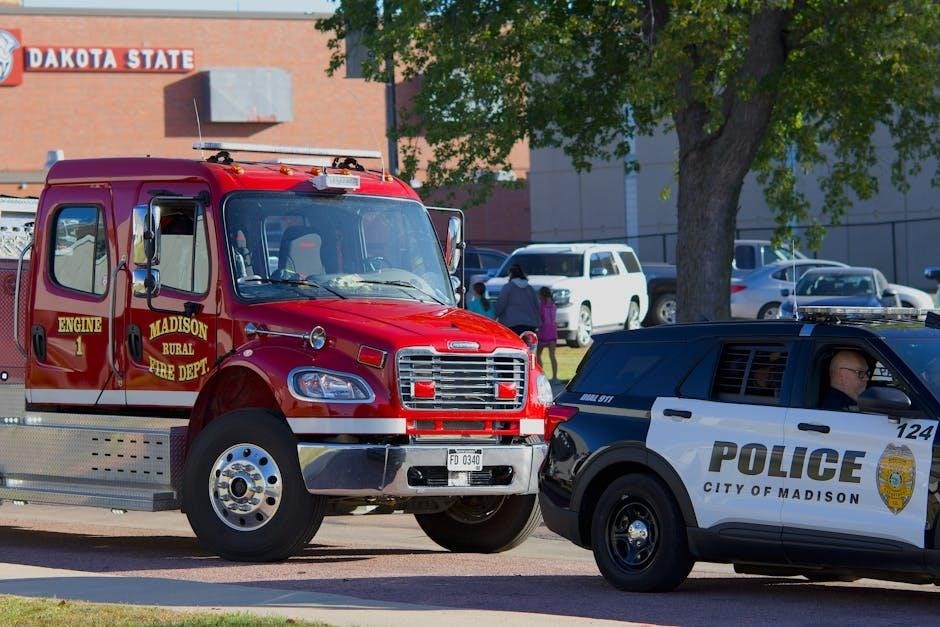
Hazardous Materials Awareness
Fire officers must recognize hazmat indicators, understand basic response protocols, and prioritize scene safety while protecting responders and the public.
Identifying Hazardous Materials
Recognizing hazardous materials is crucial for fire officers. This involves understanding labeling systems like NFPA 704, placards on transport vehicles, and shipping papers.
Officers must be able to identify potential hazards by observing physical states (gas, liquid, solid), detecting distinct odors, and recognizing warning signs.
Utilizing resources like the Emergency Response Guidebook (ERG) is essential for quick identification and initial response guidance, ensuring safety at the incident.
Basic Hazmat Response Procedures
Initial hazmat response prioritizes scene safety: establishing isolation zones, controlling access, and protecting responders.
Officers must assess the situation, identify the hazard, and notify appropriate authorities, following established protocols.
Personal Protective Equipment (PPE) selection is critical, based on the identified hazard.
Decontamination procedures are vital to prevent further exposure, and accurate documentation of all actions is essential for post-incident analysis.

Fire Investigation Fundamentals
This section details basic principles, evidence preservation, and documentation techniques crucial for determining fire origin and cause effectively.
Basic Fire Investigation Principles
Understanding fire patterns, indicators of cause, and the scientific method are foundational. Investigators must systematically analyze the scene, documenting observations meticulously.
Key principles include identifying the area of origin, determining heat sources, and recognizing potential ignition factors.
Proper documentation, including photographs and sketches, is vital for reconstructing events and supporting findings.
The goal is to establish how, where, and why a fire occurred, utilizing a logical and evidence-based approach.
Evidence Preservation & Documentation
Maintaining the integrity of a fire scene is paramount. Secure the area, limiting access to authorized personnel only, to prevent contamination or loss of crucial evidence.
Detailed documentation, including photographs, videos, and sketches, must accurately depict the scene’s original condition.
Properly collect, label, and store all potential evidence, following established chain-of-custody protocols.
Thorough note-taking and report writing are essential for a legally defensible investigation.

Legal & Ethical Considerations
Fire officers must understand legal duties, liability, and ethical conduct. Maintaining integrity, fairness, and adherence to laws are crucial for responsible leadership.
Legal Aspects of Fire Officer Duties
Fire officers operate within a complex legal framework, encompassing state laws, local ordinances, and departmental policies. Understanding search and seizure laws, due process, and the rules of evidence is paramount.
Liability concerns, including negligence and wrongful death claims, require diligent adherence to established procedures. Proper documentation, thorough investigations, and adherence to safety protocols are essential for mitigating legal risks.
Officers must also be aware of reporting requirements related to fires, injuries, and hazardous materials incidents, ensuring compliance with all applicable regulations.
Ethical Conduct for Fire Officers
Fire officers are held to a high standard of ethical behavior, demanding integrity, fairness, and impartiality in all actions. Maintaining public trust requires honesty, transparency, and a commitment to serving the community.
Conflicts of interest must be avoided, and decisions should be based on professional judgment, not personal gain. Respect for all individuals, regardless of background, is crucial.
Upholding departmental values and adhering to a strict code of ethics are fundamental responsibilities for every fire officer.
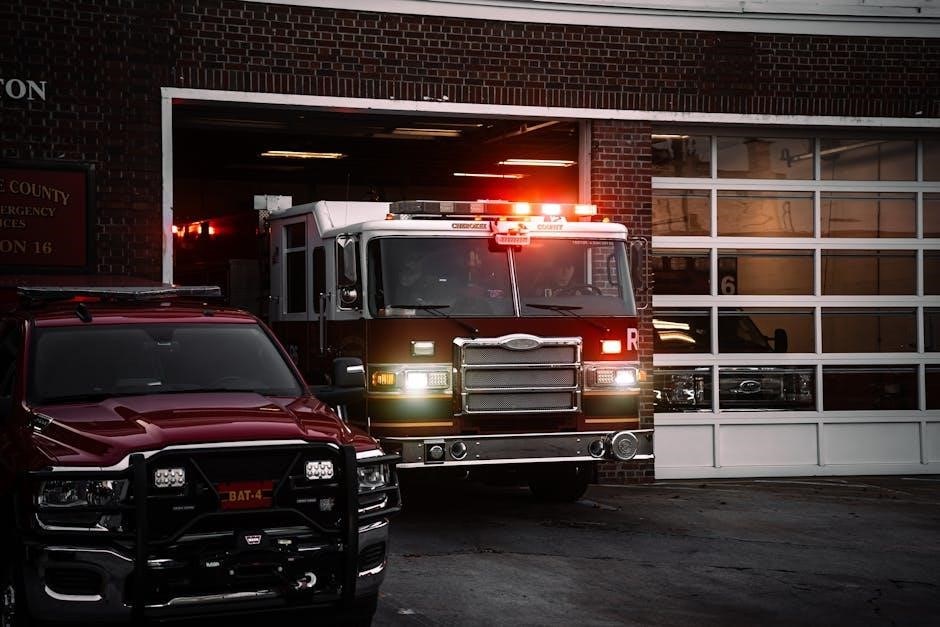
Health & Safety for Fire Officers
Prioritizing officer well-being involves comprehensive PPE training, recognizing health risks, and promoting fitness.
Personal Protective Equipment (PPE)
Fire officers must thoroughly understand the proper selection, use, maintenance, and limitations of all PPE. This includes helmets, coats, pants, gloves, boots, and respiratory protection. Regular inspections are crucial to ensure functionality and identify damage.
Training should cover donning and doffing procedures, emphasizing a proper seal for respiratory equipment.
Officers are responsible for enforcing PPE standards and ensuring their crews are adequately protected during all operations. Understanding the levels of protection offered by different PPE ensembles is paramount for safety.
Firefighter Health & Wellness
Maintaining firefighter health and wellness is a critical responsibility for fire officers. This encompasses physical fitness, mental health, and chronic disease prevention. Officers must promote healthy lifestyle choices and provide access to wellness programs.
Recognizing and addressing the unique stressors firefighters face, including PTSD, is essential.
Regular medical evaluations and fitness assessments are vital. Leading by example and fostering a culture of well-being are key to a healthy and resilient fire department.
Communications & Documentation
Effective communication and thorough documentation are vital for incident management and legal defensibility. Clear reports and concise messaging ensure operational success.
Effective Communication Techniques
Mastering clear and concise communication is paramount for fire officers. This includes utilizing plain language, active listening, and acknowledging received messages. Employing the Incident Command System (ICS) framework ensures standardized terminology and reduces ambiguity during emergencies.
Furthermore, understanding diverse communication styles and adapting accordingly enhances team cohesion. Regular briefings, debriefings, and utilizing appropriate radio protocols are essential skills. Effective communication minimizes misunderstandings, improves situational awareness, and ultimately saves lives.
Report Writing & Documentation
Accurate and thorough documentation is crucial for legal and operational purposes. Fire officers must learn to create detailed incident reports, including timelines, observations, and actions taken. Proper documentation supports investigations, identifies trends, and justifies resource allocation.
Maintaining clear and organized records, adhering to departmental policies, and utilizing standardized forms are essential. Effective report writing demonstrates professionalism and accountability, safeguarding the fire department and its personnel.
National Fire Codes & Standards
Fire officers must understand NFPA standards and model codes like IFC and UBC to ensure compliance, safety, and effective fire protection strategies.
NFPA Standards Relevant to Fire Officers
Numerous NFPA standards are crucial for fire officers, impacting daily operations and long-term planning. Key standards include NFPA 1001 for firefighter professional qualifications, NFPA 1500 on fire department occupational safety and health programs, and NFPA 1021 for fire officer qualifications.
Understanding NFPA 70, the National Electrical Code, is vital for fire prevention, alongside NFPA 13 concerning sprinkler systems. Officers must also be familiar with standards related to hazardous materials, building construction, and emergency services communications systems.
Understanding Model Codes (IFC, UBC)
Fire officers must grasp model codes like the International Fire Code (IFC) and, historically, the Uniform Building Code (UBC), though the UBC is less prevalent now. These codes establish minimum requirements for building construction, fire prevention, and life safety.
Understanding how local jurisdictions adopt and amend these models is critical. Officers need to interpret code provisions related to fire protection systems, occupancy classifications, and egress requirements to ensure compliance and public safety.