CDL Tanker Endorsement Study Guide: An Overview (Updated 02/08/2026)
Preparing for the tanker endorsement involves mastering knowledge tests‚ pre-trip inspections‚ and safe operating procedures‚ particularly focusing on New York and California regulations.
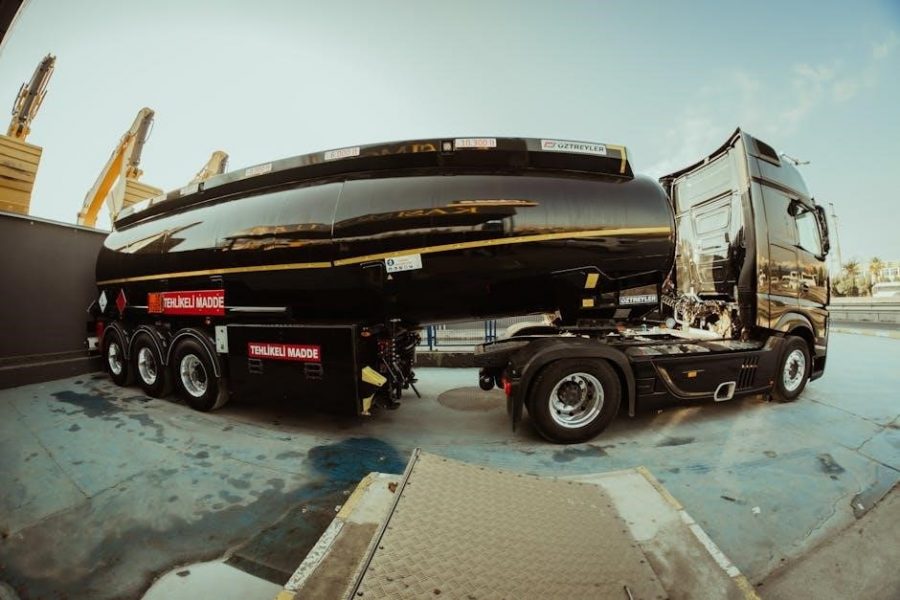
The tanker endorsement signifies specialized training for safely operating commercial vehicles designed to transport liquid or gaseous materials. Obtaining this endorsement requires passing a dedicated knowledge test at your local DMV‚ covering crucial aspects of tanker operation. This includes understanding unique vehicle characteristics‚ proper cargo handling‚ and stringent safety protocols. Successful completion demonstrates competency in managing the specific challenges presented by tanker vehicles‚ ensuring responsible transportation of potentially hazardous substances. Preparation involves utilizing study guides‚ practice tests‚ and familiarizing yourself with state-specific regulations like those in New York and California.
Why Obtain a Tanker Endorsement?
Securing a tanker endorsement significantly expands career opportunities within the commercial driving sector‚ opening doors to higher-paying positions in industries like fuel transportation and chemical delivery. This endorsement validates specialized skills‚ making drivers more marketable and valuable to employers. It’s a legal requirement for operating tanker vehicles‚ ensuring compliance with federal and state regulations. Furthermore‚ possessing this endorsement demonstrates a commitment to safety and responsible handling of hazardous materials‚ enhancing professional credibility and contributing to safer roadways for everyone.
Eligibility Requirements for the Tanker Endorsement
Applicants must hold a valid CDL and meet age/licensing prerequisites‚ successfully passing a knowledge test covering tanker-specific regulations and safe operating procedures.
General CDL Requirements
To qualify for a tanker endorsement‚ possessing a current and valid Commercial Driver’s License (CDL) is fundamental. This necessitates successfully completing both a knowledge test and a skills (road) test‚ adhering to state-specific CDL requirements.
Drivers must demonstrate proficiency in general CDL knowledge areas‚ including vehicle inspection‚ safe driving practices‚ and adherence to traffic laws. Furthermore‚ a clean driving record is often a prerequisite‚ with serious violations potentially disqualifying applicants.
Understanding federal and state regulations governing commercial vehicle operation is crucial for all CDL holders seeking this specialized endorsement.
Age and Licensing Prerequisites
Applicants for a tanker endorsement must meet specific age requirements‚ generally being at least 18 years old to operate commercial vehicles intrastate and 21 for interstate commerce.
Holding a valid CDL is paramount‚ and drivers must possess a current license free from significant suspensions or revocations. A clean driving record‚ demonstrating responsible operation‚ is often a key consideration during the endorsement process.
Prior completion of a CDL training program can be beneficial‚ though not always mandatory‚ ensuring a solid foundation of knowledge and skills.

The Tanker Knowledge Test
The tanker knowledge test‚ administered at DMV offices‚ assesses understanding of crucial topics like cargo handling‚ safety protocols‚ and tanker-specific regulations.
Test Format and Scoring
The CDL tanker endorsement knowledge test typically consists of multiple-choice questions designed to evaluate your comprehension of tanker-specific rules and regulations. Passing scores vary by state‚ but generally‚ a minimum score of 80% is required to successfully obtain the endorsement.
Applicants should familiarize themselves with the state’s CDL manual and utilize practice tests to gauge their preparedness.
These tests simulate the actual DMV environment‚ offering valuable experience and identifying areas needing further study.
Understanding the scoring criteria is vital for effective preparation and maximizing your chances of success on the official exam.
Key Topics Covered on the Exam
The tanker endorsement exam heavily emphasizes understanding tank vehicle characteristics‚ including stability and the effects of liquid movement. Crucially‚ it assesses knowledge of proper cargo handling procedures‚ encompassing loading‚ unloading‚ and securing techniques. Safety procedures specific to tankers are paramount‚ covering pre-trip inspections‚ emergency response‚ and spill control.
Applicants must demonstrate proficiency in interpreting placards‚ shipping papers‚ and adhering to hazardous materials regulations.
Mastering these core areas is essential for passing the exam and operating tanker vehicles safely and legally.
Understanding Tank Vehicle Characteristics
Tanker vehicles possess unique handling characteristics due to the shifting of liquid cargo. A key concept is the center of gravity and how liquid movement dramatically impacts vehicle stability. Surge and roll are significant concerns‚ requiring drivers to anticipate and mitigate these effects through proper braking and steering techniques.
Understanding these dynamics is vital for preventing rollovers and maintaining control. Drivers must grasp how tank shape‚ baffle systems‚ and liquid density influence vehicle behavior.
Cargo Handling Procedures
Proper loading and unloading are critical for safe tanker operation. Drivers must verify compatibility between the cargo and tank lining‚ ensuring no hazardous reactions occur. Accurate gauging of liquid levels is essential to prevent overfilling or uneven weight distribution. Secure connections are paramount during transfer operations to avoid spills.
Understanding proper venting procedures prevents pressure buildup. Thorough documentation of loading details‚ including product type and quantity‚ is legally required and vital for safety.
Safety Procedures for Tankers
Tanker safety demands rigorous adherence to protocols. Always inspect hoses and connections before transferring liquids‚ checking for wear or damage. Emergency shutdown procedures must be memorized and readily accessible. Maintain a safe distance from power lines during loading/unloading. Regularly monitor tank pressure and temperature. Proper grounding and bonding prevent static electricity buildup. Spill response training is crucial‚ including containment and reporting procedures. Never smoke or use open flames near tankers.

Pre-Trip Inspection: A Critical Component
Thorough pre-trip inspections are vital for tanker safety‚ encompassing exterior and interior checks of brakes‚ couplings‚ and overall vehicle condition.
Exterior Inspection Checklist
A comprehensive exterior inspection is paramount for safe tanker operation. Begin by examining the tank for dents‚ leaks‚ or bulges. Inspect all valves‚ loading/unloading connections‚ and manhole covers for secure closure and damage. Verify proper functioning of emergency equipment like spill kits. Check tires for adequate tread depth and inflation‚ alongside wheel condition.
Inspect lights—headlights‚ taillights‚ turn signals‚ and reflectors—ensuring full functionality. Examine the undercarriage for any hanging parts or fluid leaks. Finally‚ confirm the secure attachment of placards and proper documentation visibility.
Interior Inspection Checklist
The interior inspection focuses on critical operational components. Verify the functionality of the pressure relief valves and liquid level gauges. Inspect the tank’s internal lining for corrosion or damage‚ if visible. Ensure proper operation of all warning devices and alarms related to tank status.
Check the condition of hoses and connections within the tank compartment. Confirm the presence and accessibility of required safety equipment‚ like fire extinguishers. Finally‚ meticulously review all documentation related to the cargo and tank specifications.
Brake System Inspection
A thorough brake system inspection is paramount for tanker safety. Begin by checking brake lines and hoses for leaks‚ cracks‚ or abrasions. Inspect brake chambers for proper operation and secure mounting; Verify the functionality of the anti-lock braking system (ABS)‚ if equipped‚ and confirm indicator lights illuminate correctly.
Test the service brakes and emergency brakes for responsiveness and holding power. Ensure proper adjustment of brake shoes or pads. Finally‚ meticulously document all findings and address any deficiencies immediately before operation.
Coupling System Inspection
The coupling system is critical for secure tanker connections. Inspect the fifth wheel for proper locking jaws and a secure connection to the kingpin. Verify the gap between the tractor and trailer isn’t excessive. Examine all locking pins and mechanisms‚ ensuring they are fully engaged and undamaged.
Check for any signs of wear‚ cracks‚ or distortion. Confirm the electrical connections and air lines are securely coupled and functioning correctly. Document any issues and rectify them before commencing travel‚ prioritizing safety.

Safe Operating Procedures for Tank Vehicles
Mastering braking techniques‚ managing surge and roll‚ and adhering to proper loading/unloading procedures are vital for safe tanker vehicle operation and control.
Braking Techniques for Tankers
Tanker braking demands a unique approach due to the vehicle’s high center of gravity and liquid cargo’s momentum. Avoid sudden‚ forceful braking; instead‚ utilize controlled or stab braking‚ gently applying and releasing the brakes.
Locking the brakes should be avoided‚ and reliance solely on emergency brakes is discouraged. Anticipate stops well in advance‚ allowing for increased stopping distances.
Understanding how liquid surge affects braking is crucial; a full tanker requires significantly more distance to stop than an empty one.
Managing Surge and Roll
Tanker vehicles are susceptible to both surge and roll‚ demanding careful driving techniques. Liquid surge‚ the forward and backward movement of the cargo‚ impacts braking and stability.
Reduce speed when approaching stops or turns to minimize surge. Roll‚ the tendency to tilt‚ is heightened by a high center of gravity and can be controlled by slower speeds and wider turns.
Be aware that partially filled tankers are particularly prone to surge and roll; proper load distribution is essential for safe operation.
Proper Loading and Unloading Procedures
Safe tanker operation hinges on correct loading and unloading protocols. Before loading‚ verify the tank’s compatibility with the intended cargo and inspect for damage. During loading‚ monitor levels and avoid overfilling‚ which exacerbates surge.
When unloading‚ ensure proper grounding to prevent static electricity buildup and follow established procedures for connecting and disconnecting hoses.
Always use appropriate personal protective equipment (PPE) and adhere to all hazardous materials regulations during these critical processes.
Hazardous Materials Considerations
Understanding placards‚ shipping papers‚ and emergency response protocols is crucial when transporting hazardous materials in tank vehicles‚ ensuring safety and compliance.
Understanding Placards and Shipping Papers
Placards are vital for quickly identifying hazardous materials during transport‚ providing essential information for emergency responders. Shipping papers detail the specific hazards‚ quantity‚ and proper handling procedures for each substance. Drivers must accurately interpret these documents‚ correlating placard information with the corresponding entries on the shipping papers.
Incorrectly identified materials or mismatched documentation can lead to severe consequences‚ including fines and safety risks. Thoroughly understanding the hazard class‚ UN number‚ and proper shipping name is paramount for safe and compliant tanker operations. Regular review and verification are essential practices.
Emergency Response Procedures
In the event of a tanker accident‚ immediate action is crucial. Drivers must prioritize safety‚ securing the scene and notifying emergency services promptly. Spill containment procedures are paramount‚ utilizing available resources to minimize environmental impact.
Proper reporting protocols‚ including detailed incident descriptions and material information‚ are essential for effective response coordination. Drivers should be familiar with the Emergency Response Guidebook (ERG) and company-specific emergency plans. Maintaining composure and following established procedures can significantly mitigate the consequences of an incident.
Specific State Regulations (e.g.‚ New York‚ California)
New York and California have unique tanker endorsement details‚ requiring drivers to understand specific DMV regulations and practice tests for compliance.
NY DMV Tanker Endorsement Details
To secure a New York Tanker Endorsement‚ applicants must successfully complete a dedicated knowledge test at a local DMV facility. Comprehensive study is crucial‚ utilizing resources like the NY DMV Tanker Practice Test and the 2024 special edition practice test segments. These tools simulate the actual DMV testing environment‚ providing invaluable preparation.
The New York CDL Tanker Endorsement Study Guide 2025‚ featuring questions and answers‚ serves as a vital resource. Understanding specific regulations‚ cargo handling‚ and emergency procedures is paramount for passing the exam and ensuring safe operation of tanker vehicles within New York State.
CA Tanker Vehicle Endorsement Information
California requires a specialized knowledge test for the Tanker Vehicle Endorsement‚ focusing on unique state regulations and safe operating practices. A valuable starting point is the CA Tanker Vehicles endorsement practice test‚ comprised of 20 questions mirroring the actual DMV exam content.
These questions are designed to assess understanding of braking techniques‚ proper loading procedures‚ and comprehensive inspection protocols specific to tanker vehicles in California. Thorough preparation utilizing available resources is essential for successfully obtaining this crucial endorsement and operating safely.
Practice Tests and Study Resources
Numerous online CDL practice tests and comprehensive study guides are available to help you prepare for the tanker endorsement knowledge exam effectively.
Online CDL Practice Tests
Accessing online CDL practice tests is crucial for tanker endorsement preparation‚ simulating the DMV testing environment with questions mirroring the actual exam. These resources‚ like the NY DMV Tanker Practice Test and its 2024 edition‚ offer valuable experience. Free online tests provide questions and answers‚ utilizing two testing modes for comprehensive study. Focusing on areas like braking‚ loading‚ and inspections‚ these tests help identify knowledge gaps. Regularly utilizing these tools significantly increases your chances of passing the tanker vehicle endorsement exam‚ building confidence and familiarity with the test format.
CDL Study Guides and Manuals
Comprehensive CDL study guides and manuals are essential resources for mastering the tanker endorsement requirements‚ offering detailed explanations of regulations and procedures. These materials cover crucial topics like cargo handling‚ safety protocols‚ and pre-trip inspection checklists. Saint Monica University offers relevant programs intersecting liberal arts with practical skills. A 322-page manual provides in-depth knowledge‚ while online resources supplement learning. Utilizing these guides alongside practice tests ensures a thorough understanding of tanker vehicle operation‚ preparing candidates for the knowledge test and safe‚ responsible driving practices.
Emergency Procedures and Spill Control
Effective response to tanker accidents and spills requires understanding containment‚ reporting protocols‚ and emergency procedures‚ ensuring safety and minimizing environmental impact.
Responding to Tanker Accidents
Immediate actions following a tanker accident are crucial. Secure the scene‚ protecting it from further hazards like fire or traffic. Assess injuries and initiate emergency medical services promptly. Notify the appropriate authorities‚ including local law enforcement and environmental agencies‚ providing detailed information about the incident.
Contain any leaks or spills using available resources‚ preventing further contamination. Follow established emergency response procedures‚ adhering to hazardous materials protocols. Accurate documentation of the event‚ including cargo details and response actions‚ is essential for investigation and reporting purposes.
Spill Containment and Reporting
Effective spill containment is paramount‚ utilizing absorbent materials and diking to prevent spreading. Prioritize personal safety‚ wearing appropriate protective gear during cleanup operations. Immediately report all spills to the National Response Center and relevant state environmental agencies‚ providing precise details.
Accurate documentation of the spill‚ including volume‚ substance‚ and containment efforts‚ is legally required. Follow established protocols for waste disposal‚ ensuring compliance with environmental regulations. Thoroughly decontaminate the area and equipment‚ preventing residual hazards.
Understanding Tanker Stability
Tanker stability hinges on the center of gravity and liquid movement; understanding these factors prevents rollovers and ensures safe transport of cargo.
Center of Gravity and its Impact
The center of gravity (CG) is crucial for tanker stability‚ representing the point where all weight is concentrated. A higher CG increases rollover risk‚ especially during turns or sudden maneuvers.
Proper loading significantly impacts CG; uneven distribution shifts the CG‚ compromising stability. Liquids sloshing within the tank dynamically alter the CG‚ demanding careful braking and steering adjustments.
Drivers must understand how load distribution and liquid movement affect the CG to maintain control and prevent accidents. Regularly assessing load securement and anticipating shifts are vital safety practices.
Effects of Liquid Movement
Liquid slosh within a tanker dramatically alters vehicle dynamics‚ creating a “surge” effect that impacts braking and steering. This momentum can cause instability‚ particularly during rapid stops or turns‚ increasing the risk of rollovers.
Compartmentalization‚ using baffles‚ minimizes slosh by dividing the liquid into smaller sections. Drivers must anticipate these effects‚ adjusting speed and braking techniques accordingly.
Partial loads exacerbate slosh‚ demanding even greater caution; Understanding liquid density and its influence on movement is essential for safe tanker operation and preventing loss of control.

Review of Common Tanker Endorsement Questions
Practice tests reveal frequent questions on braking techniques‚ proper loading procedures‚ and thorough pre-trip inspection protocols for tanker vehicles‚ ensuring driver competency.
Sample Question Category 1: Braking
Braking with a tanker presents unique challenges due to surge and momentum. A common question asks about the correct response to a brake failure: locking the brakes‚ using only emergency brakes‚ or employing controlled/stab braking.
The correct answer is controlled or stab braking‚ minimizing surge. Questions also cover the effects of air brake adjustments and the increased stopping distance required for tankers.
Understanding brake system components and proper adjustment procedures is crucial. Expect scenarios involving downhill braking and anticipating necessary stopping distances based on weight and road conditions.
Sample Question Category 2: Loading
Loading procedures significantly impact tanker stability and safety. Questions frequently address proper loading sequences‚ ensuring even weight distribution to maintain a low center of gravity.
Expect scenarios involving partially loaded tankers and the resulting effects on handling. Understanding the consequences of uneven loading‚ like increased rollover risk‚ is vital.
Questions may also cover maximum load limits‚ compatibility of transported liquids‚ and the importance of secure connections during loading and unloading operations.
Sample Question Category 3: Inspections
Thorough pre-trip inspections are crucial for tanker safety‚ and the exam heavily emphasizes this. Questions will detail exterior and interior inspection checklists‚ focusing on critical components.
Expect scenarios requiring identification of defects in the coupling system‚ brake lines‚ and emergency equipment; Understanding proper inspection procedures for valves‚ manholes‚ and loading hoses is essential.
Questions may also assess knowledge of reporting procedures for discovered defects and the importance of documenting inspection findings accurately for compliance.