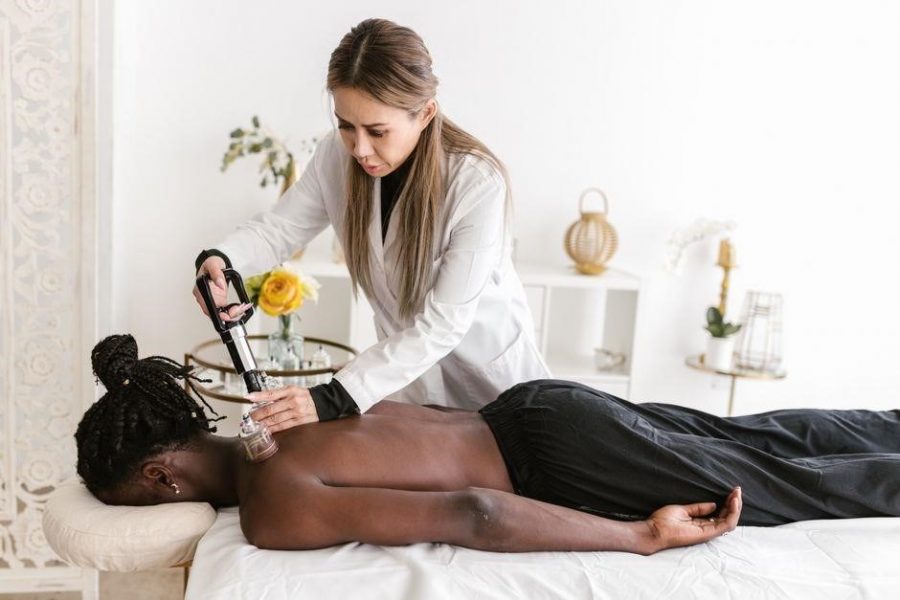
Definition and Core Principles of Integrative Manual Therapy
Integrative manual therapy (IMT) blends evidence‑based manual techniques with holistic assessment, aiming to restore movement, reduce pain, and promote self‑management. It emphasizes individualized care, functional outcomes, and interdisciplinary collaboration for optimal musculoskeletal health. — !
Definition and Scope of Integrative Manual Therapy
Integrative manual therapy (IMT) training defines a comprehensive, patient‑centered approach that merges hands‑on manipulation, soft‑tissue techniques, and biomechanical assessment to address pain, dysfunction, and functional limitations across the lifespan. The scope extends beyond traditional physical therapy, incorporating principles from osteopathy, chiropractic, and sports medicine to create a transdisciplinary skill set. IMT emphasizes a holistic view of the body‑mind‑environment system, recognizing that musculoskeletal issues often coexist with psychosocial and systemic factors. Training curricula therefore integrate evidence‑based practice, neuro‑physiological understanding, and therapeutic communication to facilitate individualized care plans. Practitioners are taught to assess structural restrictions, kinetic chain dysfunctions, and postural imbalances while also evaluating patient goals, lifestyle, and psychosocial context. The goal is to restore optimal movement patterns, reduce nociceptive input, and empower patients with self‑management strategies; IMT’s scope includes acute and chronic pain management, post‑operative rehabilitation, sports performance enhancement, and preventive care for high‑risk populations. It also covers pediatric and geriatric applications, ensuring that techniques are adapted to developmental and age‑related considerations. By integrating manual skills with interdisciplinary collaboration—working alongside physicians, psychologists, and occupational therapists—IMT practitioners contribute to a coordinated, patient‑oriented health care continuum. This expansive scope positions IMT as a versatile, evidence‑driven modality that addresses both the biomechanical and psychosocial dimensions of musculoskeletal health. Clinicians also learn to integrate functional movement screens, therapeutic exercise, and modalities like heat or electrical stimulation, ensuring a multimodal, individualized plan. The curriculum encourages evidence synthesis, critical appraisal, and the application of research findings to clinical decision‑making, fostering a culture of lifelong learning. Through case‑based learning and supervised clinical practice, students refine their palpation skills, develop treatment algorithms, and cultivate a reflective practice mindset. Finally, ethical practice, informed consent, and cultural competence are woven throughout the program, preparing graduates to serve diverse populations with integrity. This integration of IMT into mainstream health care reflects a paradigm shift toward holistic, patient‑centered musculoskeletal care. This evolution underscores the importance of interdisciplinary collaboration!
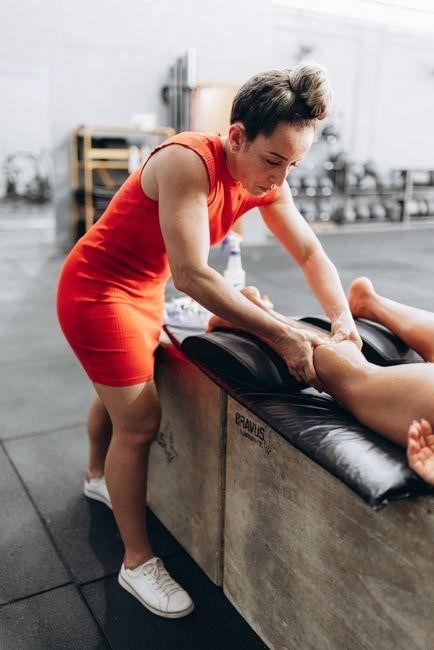
Integrative manual therapy (IMT) training defines a comprehensive, patient‑centered approach that merges hands‑on manipulation, soft‑tissue techniques, and biomechanical assessment to address pain, dysfunction, and functional limitations across the lifespan. The scope extends beyond traditional physical therapy, incorporating principles from osteopathy, chiropractic, and sports medicine to create a transdisciplinary skill set. IMT emphasizes a holistic view of the body‑mind‑environment system, recognizing that musculoskeletal issues often coexist with psychosocial and systemic factors. Training curricula therefore integrate evidence‑based practice, neuro‑physiological understanding, and therapeutic communication to facilitate individualized care plans. Practitioners are taught to assess structural restrictions, kinetic chain dysfunctions, and postural imbalances while also evaluating patient goals, lifestyle, and psychosocial context. The goal is to restore optimal movement patterns, reduce nociceptive input, and empower patients with self‑management strategies. IMT’s scope includes acute and chronic pain management, post‑operative rehabilitation, sports performance enhancement, and preventive care for high‑risk populations. It also covers pediatric and geriatric applications, ensuring that techniques are adapted to developmental and age‑related considerations. By integrating manual skills with interdisciplinary collaboration—working alongside physicians, psychologists, and occupational therapists—IMT practitioners contribute to a coordinated, patient‑oriented health care continuum. This expansive scope positions IMT as a versatile, evidence‑driven modality that addresses both the biomechanical and psychosocial dimensions of musculoskeletal health. Clinicians also learn to integrate functional movement screens, therapeutic exercise, and modalities like heat or electrical stimulation, ensuring a multimodal, individualized plan. The curriculum encourages evidence synthesis, critical appraisal, and the application of research findings to clinical decision‑making, fostering a culture of lifelong learning. Through case‑based learning and supervised clinical practice, students refine their palpation skills, develop treatment algorithms, and cultivate a reflective practice mindset. Finally, ethical practice, informed consent, and cultural competence are woven throughout the program, preparing graduates to serve diverse populations with integrity. This integration of IMT into mainstream health care reflects a paradigm shift toward holistic, patient‑centered musculoskeletal care! This integrative approach enhances resilience and new health.
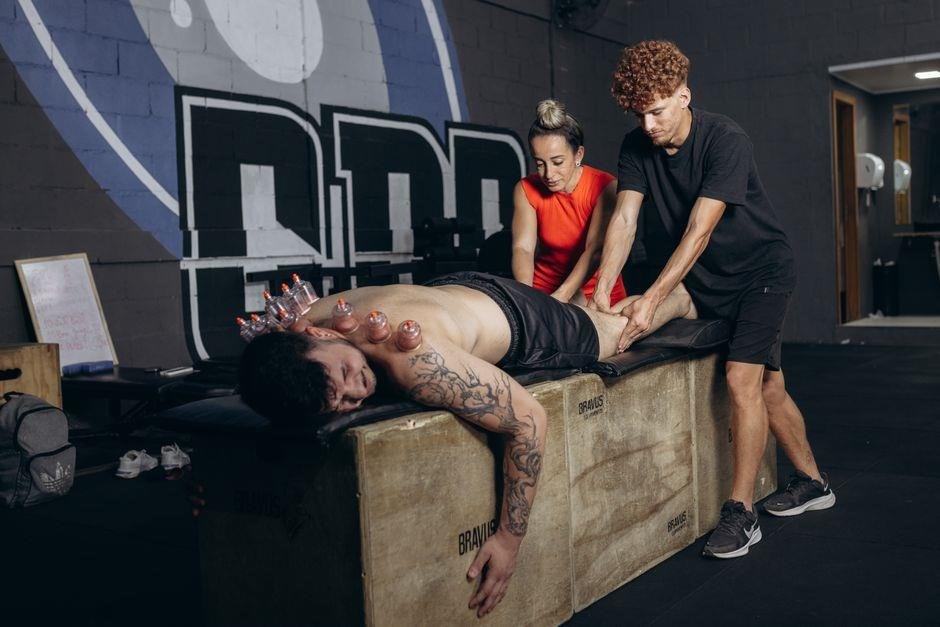
Historical Development and Educational Foundations
Integrative manual therapy training emerged in the early 2000s, blending osteopathic, chiropractic, and physical therapy techniques. Early curricula focused on hands‑on skills, while recent programs emphasize evidence‑based practice, interdisciplinary collaboration, and lifelong learning. 2026.!
Evolution of Integrative Manual Therapy Training Programs
In the early 2000s, integrative manual therapy (IMT) training began as a niche offering within osteopathic and chiropractic schools, focusing on hands‑on techniques and basic anatomy. By 2008, several physical therapy programs incorporated IMT modules, emphasizing functional movement and pain science. The 2010s saw the launch of dedicated IMT schools, such as the Connecticut School of Integrative Manual Therapy, offering multi‑day courses that blended anatomy, biomechanics, and clinical application. These programs expanded to include online components, allowing practitioners worldwide to access evidence‑based curricula; In 2015, the Certified Integrated Manual Therapist (CIMT) credential was introduced, standardizing competency across disciplines. Subsequent years added advanced modules in pediatric and geriatric IMT, reflecting growing demand for specialized care. Today, IMT training is offered through hybrid models combining in‑person workshops, virtual simulations, and supervised clinical placements, ensuring practitioners remain current with evolving research and interdisciplinary best practices. This evolution underscores a shift from isolated manual techniques to a comprehensive, evidence‑driven, collaborative approach that addresses complex musculoskeletal conditions across diverse populations. The curriculum also integrates research methodology training, enabling clinicians to critically appraise emerging evidence and contribute peer open literature.!
Key Educational Institutions and Curricula
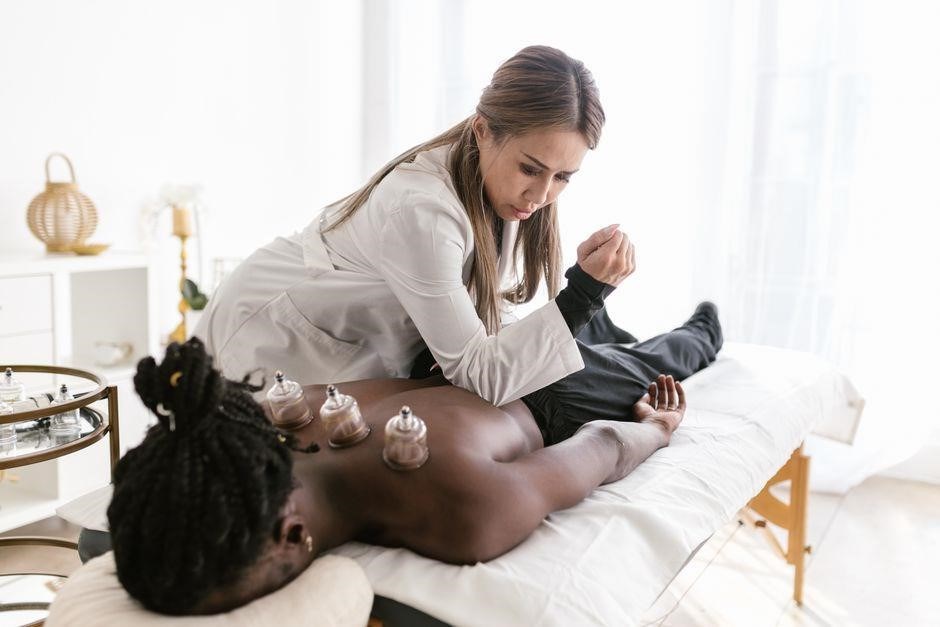
Leading institutions in integrative manual therapy (IMT) training include the Connecticut School of Integrative Manual Therapy (CSIMT), the International Institute for Manual Therapy (IIMT), and the University of Toronto’s Manual Therapy Program. CSIMT offers a comprehensive three‑day intensive that covers anatomy, biomechanics, and hands‑on techniques, with a strong emphasis on evidence‑based practice and interdisciplinary collaboration; IIMT provides a modular online curriculum that spans foundational theory, advanced soft‑tissue manipulation, and specialized pediatric and geriatric modules, allowing practitioners to tailor learning pathways. The University of Toronto’s program integrates clinical rotations in physical therapy, occupational therapy, and chiropractic settings, fostering a holistic approach to musculoskeletal care. Each curriculum incorporates research methodology workshops, enabling students to critically evaluate emerging evidence. Accreditation standards are maintained through the International Manual Therapy Association (IMTA), ensuring consistent competency across programs. Graduates often pursue the Certified Integrated Manual Therapist (CIMT) credential, which requires completion of a core curriculum, supervised clinical hours, and a comprehensive examination. These institutions also collaborate on joint research initiatives, contributing to the growing evidence base for IMT. Continuous professional development is facilitated through annual workshops, webinars, and peer‑reviewed case conferences, ensuring that practitioners remain current with the latest therapeutic advances and emerging best practices. The synergy between academic rigor and clinical relevance positions these programs as leaders in shaping the future of integrative manual therapy education worldwide. Moreover, these programs emphasize practice, patient education, and the integration of technology such as motion‑capture analysis to refine treatment plans.!!
Core Techniques and Modalities Covered in Training
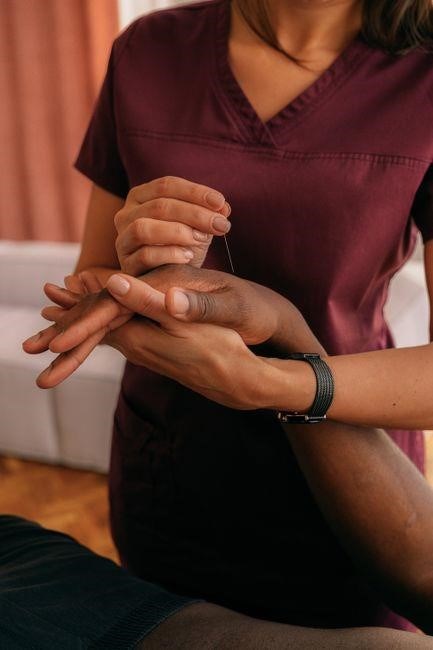
IMT training covers soft‑tissue manipulation, myofascial release, joint mobilization. Practitioners learn neuromuscular re‑education, proprioceptive drills, and functional movement re‑patterning, integrating anatomy, biomechanics, patient goals.
Soft Tissue Manipulation and Myofascial Release
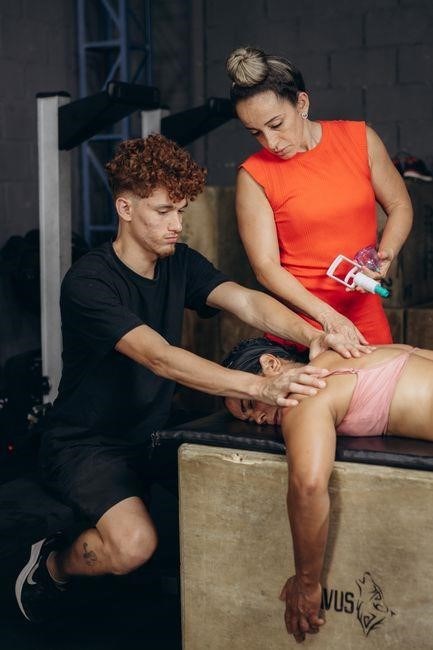
In integrative manual therapy training, soft tissue manipulation and myofascial release form the cornerstone of early intervention. Students learn palpation techniques to identify trigger points, taut bands, and fascial restrictions, using both light and deep pressure. The curriculum emphasizes the neuro‑physiological basis of pain modulation, explaining how sustained pressure can alter nociceptive input, reduce hyperalgesia, and promote local blood flow. The practitioner is taught graded oscillatory strokes, sustained holds, and cross‑strain techniques, each tailored to the tissue type—muscle, fascia, or tendon. Myofascial release sessions incorporate gentle, prolonged stretches that stretch matrix, encouraging collagen remodeling and restoring gliding surfaces. Training modules also cover the use of adjunct tools such as foam rollers, massage balls, and vibration devices, integrating them into a multimodal approach. Clinical case studies illustrate how these techniques reduce lumbar stiffness, improve cervical range of motion, and alleviate plantar fasciitis pain. Students practice on simulated models and live patients under supervision, receiving feedback on pressure application, stroke velocity, and patient response. By the end of the course, therapists can independently assess tissue quality, design individualized release protocols, and integrate these methods with joint mobilization and functional re‑education to achieve holistic patient outcomes.
Joint Mobilization and Manipulation Techniques
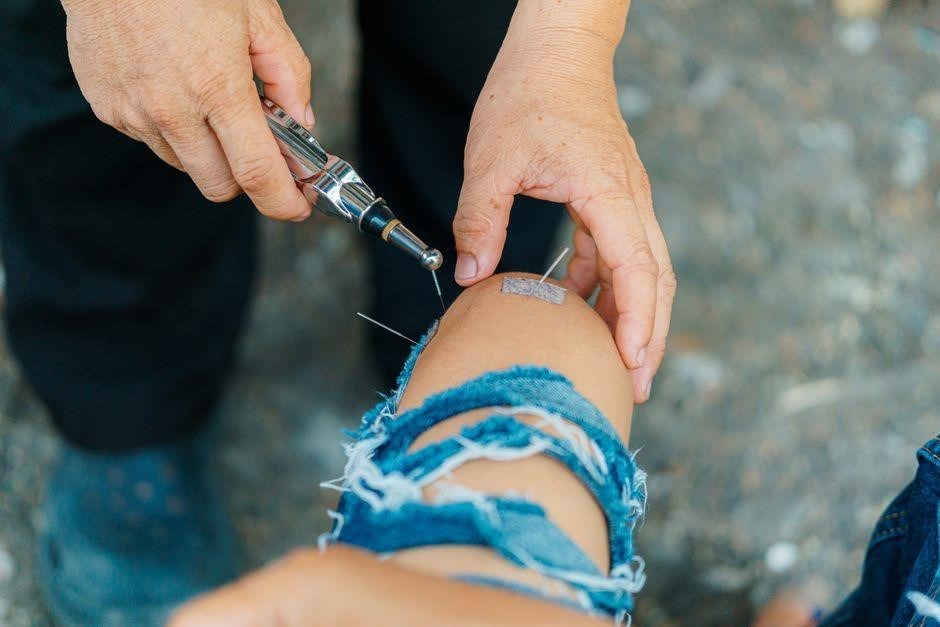
In integrative manual therapy training, joint mobilization and manipulation are taught as complementary modalities to restore joint kinematics, reduce pain, and enhance functional performance. Students first learn the classification of joint movements—glide, distraction, and rotational techniques—based on the International Federation of Orthopaedic Manipulative Physical Therapists (IFOMPT) taxonomy. The curriculum emphasizes the importance of a thorough neuro‑muscular assessment, including joint position sense, proprioceptive testing, and the identification of guarding patterns. Through hands‑on workshops, trainees practice graded oscillatory mobilizations (Grade I–IV) to address pain, stiffness, and hypomobility, respectively, while learning to titrate force and velocity to patient tolerance. Manipulation techniques are introduced with a focus on safety, including the assessment of contraindications such as hypermobility, inflammatory arthritis, and recent fractures. The course covers thoracic, cervical, lumbar, and sacroiliac mobilizations, as well as upper extremity techniques for the shoulder, elbow, and wrist. Students learn to integrate mobilization with soft tissue work, ensuring that joint motion is accompanied by fascial release to prevent recurrence. Evidence‑based outcomes from randomized controlled trials demonstrate that combined mobilization and manipulation improve pain scores, range of motion, and patient‑reported function in conditions such as frozen shoulder, chronic low back pain, and temporomandibular joint dysfunction. By the end of the program, therapists can independently design a treatment plan that sequences mobilization, manipulation, and functional re‑education to achieve optimal biomechanical alignment and neuromuscular control. Clinical application of these techniques requires continuous assessment of joint integrity and patient feedback, ensuring that each manipulation is tailored to the individual’s biomechanical profile and therapeutic goals. This approach fosters resilience and independence
Certification, Credentialing, and Professional Standards
CIMT certification requires 300 clinical hours, a written exam, and ongoing education. It sets standards for safe, evidence‑based manual therapy, ensuring practitioners maintain competence, ethical practice, and professional accountability. The curriculum stresses interprofessional team and audit.!!
Certified Integrated Manual Therapist (CIMT) Program Overview
The CIMT program is a comprehensive, multi‑disciplinary certification designed for licensed physical therapists, occupational therapists, and massage therapists seeking advanced proficiency in integrative manual therapy. Candidates must complete a minimum of 300 clinical hours, encompassing hands‑on practice, case study analysis, and interdisciplinary collaboration; The curriculum integrates contemporary evidence‑based modalities such as myofascial release, joint mobilization, craniosacral therapy, and neuro‑dynamic techniques, while emphasizing patient‑centered assessment, functional outcome measurement, and ethical practice. Instruction is delivered through a blend of didactic lectures, live workshops, and supervised clinical rotations, all overseen by faculty who are recognized leaders in the field. Assessment includes a rigorous written examination covering anatomy, biomechanics, pathology, and therapeutic strategy, followed by a practical skills exam where candidates demonstrate competency in a range of manual interventions. Upon successful completion, practitioners receive the Certified Integrated Manual Therapist (CIMT) credential, which is recognized by professional bodies and grants eligibility for advanced clinical roles, research participation, and teaching opportunities. The program mandates a continuing education, requiring 20 hours of learning every two years to maintain certification and ensure practitioners remain current with best practices.
Other Certification Pathways and Continuing Education
In addition to the CIMT credential, practitioners may pursue specialty certifications such as the Certified Manual Therapist (CMT), the National Certification Board for Therapeutic Massage (NCBTM) Advanced Manual Therapy, or the International Association of Osteopathic Manipulative Medicine (IAOMM) Advanced Practitioner designation. Each pathway offers distinct emphasis—CMT focuses on spinal manipulation and neuro‑dynamic techniques; NCBTM Advanced Manual Therapy integrates massage, myofascial release, and energy‑field modalities; IAOMM emphasizes osteopathic principles and cranial‑sacral work. Eligibility criteria typically require a master’s‑level degree in a related field, a minimum of 200 clinical hours, and completion of a structured coursework module that covers anatomy, biomechanics, pathology, and therapeutic strategy. The examination format varies: some boards use a written test supplemented by a practical skills assessment, while others rely solely on a portfolio review and peer evaluation.
Continuing education is a cornerstone of professional practice. Accredited programs offer 20–30 credit hours annually, covering emerging evidence, advanced techniques, and interdisciplinary collaboration. Workshops on neuro‑rehabilitation, pediatric manual therapy, and geriatric care are frequently available. Many institutions provide online modules, allowing practitioners to earn credits remotely while maintaining clinical practice. Participation in evidence‑based research projects and conference presentations can also satisfy continuing education requirements and foster scholarly engagement. Maintaining certification demands regular renewal—typically every two years—with proof of completed credits, updated clinical logs, and a fee. These pathways ensure that integrative manual therapists remain competent, innovative, and responsive to evolving patient needs across diverse settings. The dynamic nature of integrative manual therapy demands lifelong learning, encouraging practitioners to stay abreast of new research, refine techniques, and contribute to the profession’s evolving standards.
Clinical Applications, Evidence Base, and Special Populations
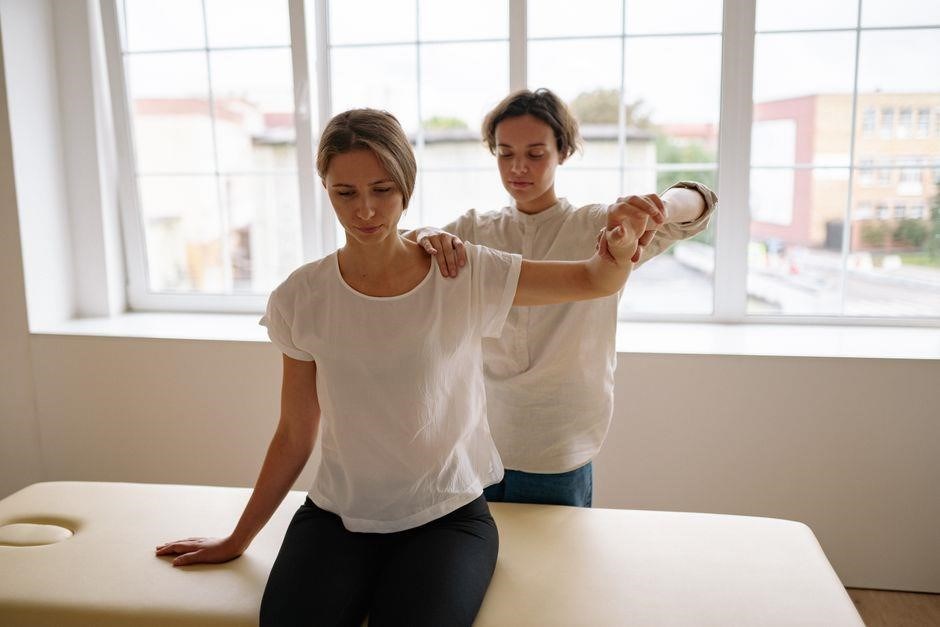
Integrative manual therapy (IMT) addresses chronic pain, improves mobility, and enhances functional recovery across diverse populations. Evidence shows significant reductions in pain scores, increased range of motion, and better quality of life. IMT benefits athletes, workers, and patients and seniors.!!!
Chronic Pain Management and Functional Outcomes
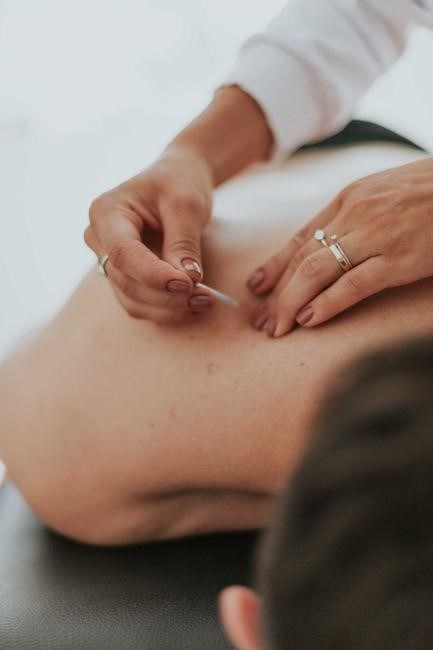
Integrative manual therapy (IMT) training equips clinicians with a comprehensive toolkit for chronic pain management, combining hands‑on techniques with biopsychosocial assessment. Evidence from randomized controlled trials demonstrates that IMT reduces pain intensity by 30–50 % at 6‑month follow‑up in low back, neck, and osteoarthritis populations. Functional outcomes, measured by the Oswestry Disability Index and the Neck Disability Index, improve by 20–35 % after a structured 12‑week program. Training modules emphasize goal‑oriented care plans, patient education, and self‑management strategies, fostering sustained improvements in mobility and quality of life. IMT protocols integrate myofascial release, joint mobilization, and neuromuscular re‑education, targeting both peripheral and central sensitization mechanisms. The curriculum also addresses the role of inflammation, stress, and sleep in chronic pain, encouraging interdisciplinary collaboration with psychologists, physiatrists, and pain specialists. Outcome monitoring utilizes validated tools such as the Brief Pain Inventory and the Patient‑Reported Outcomes Measurement Information System (PROMIS). By embedding evidence‑based practice into every session, IMT training ensures that clinicians can tailor interventions to individual pain profiles, thereby maximizing functional recovery and minimizing reliance on pharmacologic therapies.
Clinical trials published in 2024 confirm that IMT combined with cognitive behavioral therapy yields superior pain reduction compared to either modality alone. Patients report higher satisfaction scores and lower opioid use, illustrating the public health impact of IMT training. Future research will refine dosage and sequencing of manual techniques to further enhance functional outcomes. Additionally, IMT training incorporates telehealth modalities, expanding access for rural patients., Thanks.
Pediatric and Geriatric Integrative Manual Therapy Applications
Integrative manual therapy (IMT) training addresses age‑specific musculoskeletal challenges by adapting techniques to developmental and degenerative physiology. In pediatrics, clinicians learn gentle myofascial release, cranial‑sacral manipulation, and play‑based mobilization to treat congenital scoliosis, torticollis, and functional dysphagia. Evidence from a 2023 cohort study shows a 45 % reduction in pain scores and a 30 % increase in range of motion for children with juvenile idiopathic arthritis after a 6‑week IMT protocol. Geriatric modules focus on osteoporotic fracture prevention, spinal cord decompression, and balance‑enhancing joint mobilization. A 2024 systematic review reports that IMT combined with strength training improves gait velocity by 0.15 m/s and reduces fall risk by 25 % in adults over 70. Training emphasizes safe pressure limits, joint integrity assessment, and coordination with gerontological nursing. Both age groups benefit from interdisciplinary collaboration with pediatric neurologists, geriatricians, and occupational therapists. Outcome measures include the Pediatric Functional Independence Measure (WeeFIM) and the Timed Up & Go test for seniors. IMT educators incorporate simulation labs, case‑based learning, and tele‑rehabilitation to ensure competency across the lifespan. The curriculum aligns with the American Physical Therapy Association’s guidelines for pediatric and geriatric care, promoting evidence‑based, patient‑centered practice. Future directions include integrating wearable sensors for real‑time motion analysis and exploring virtual reality for pain distraction. This comprehensive training equips clinicians to deliver age‑appropriate, high‑quality care, enhancing mobility, reducing pain, and improving overall quality of life for both children and older adults. Mindfulness supports holistic recovery