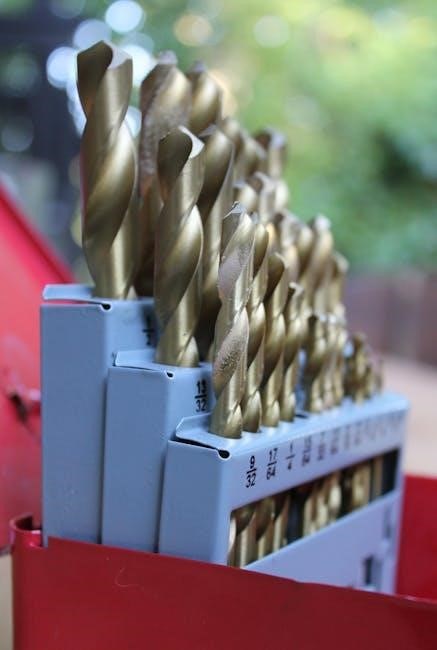
Kreg drilling guides revolutionize woodworking, offering a simple, strong joint creation method. These jigs facilitate pocket-hole joinery, a technique gaining immense popularity among both novice and experienced craftspeople.
Pocket-hole joinery, enabled by Kreg jigs, provides a robust alternative to traditional joinery methods, streamlining projects and enhancing structural integrity;
What is a Kreg Drilling Guide?
A Kreg Drilling Guide, often referred to as a Kreg Jig, is a specialized tool designed to create pocket holes – angled holes drilled into wood that allow for concealed screw fastening. This innovative system simplifies woodworking by eliminating the need for complex joinery techniques like dovetails or mortise and tenon joints. Essentially, it’s a precision instrument that guides your drill to produce consistent, accurately positioned holes for strong, hidden connections.
These guides come in various models, each catering to different project sizes and skill levels. From beginner-friendly options like the Kreg Jig 310 to professional-grade systems like the 720PRO, there’s a Kreg Jig to suit every woodworker’s needs. The core function remains the same: to create a secure, nearly invisible joint by driving screws at an angle through the pocket holes and into the adjoining piece of wood.
The beauty of a Kreg Drilling Guide lies in its simplicity and accuracy. It removes much of the guesswork from joinery, making it accessible to DIY enthusiasts while still providing the precision demanded by professional woodworkers. It’s a cornerstone tool for anyone looking to build furniture, cabinets, or any wooden project requiring strong, reliable joints.
Benefits of Using a Kreg Jig
Employing a Kreg Jig offers a multitude of advantages for woodworkers of all levels. Primarily, it dramatically simplifies the joinery process, replacing complex techniques with a quick, easy-to-learn system. This speed and ease translate to increased project completion rates and reduced frustration.
The resulting joints are remarkably strong, often exceeding the strength of traditional methods. The angled screw placement provides exceptional holding power, ensuring durable and long-lasting constructions. Furthermore, pocket-hole joinery minimizes the need for clamping during assembly, streamlining the workflow.
Aesthetically, Kreg Jigs allow for concealed screws, creating clean, professional-looking finishes. While pocket holes can be left visible for a rustic look, they are easily plugged for a seamless appearance. The versatility of these jigs extends to various wood thicknesses and project types, making them an invaluable asset in any workshop. Ultimately, a Kreg Jig empowers woodworkers to build with confidence, efficiency, and precision.
Types of Kreg Pocket-Hole Jigs
Kreg offers diverse jigs, from beginner-friendly 310 models to professional 720PROs, and cordless Rebel options. Each caters to different project scales and woodworking skill levels.
Kreg Jig 310: A Beginner-Friendly Option
The Kreg Jig 310 stands as an excellent entry point into the world of pocket-hole joinery, specifically designed for woodworking enthusiasts just starting their journey. It’s lauded for its simplicity and ease of use, making it incredibly accessible for those unfamiliar with this joinery technique.
This model excels in creating strong, reliable joints for a wide range of projects, including face frames, cabinets, and furniture. The Kreg Jig 310 is particularly well-suited for projects utilizing standard wood thicknesses, typically ranging from ½ inch to 1 ½ inches. Its adjustable settings allow for quick and accurate customization to match your material.
One of the key features of the 310 is its portability and compact design, making it easy to store and transport. It’s a cost-effective solution that doesn’t compromise on quality or performance. While it may lack some of the advanced features found in higher-end models, the Kreg Jig 310 provides a solid foundation for mastering pocket-hole joinery and building confidence in your woodworking skills. It’s a fantastic choice for DIYers and hobbyists seeking a reliable and straightforward jig.
Kreg Jig 320: Enhanced Features and Adjustability
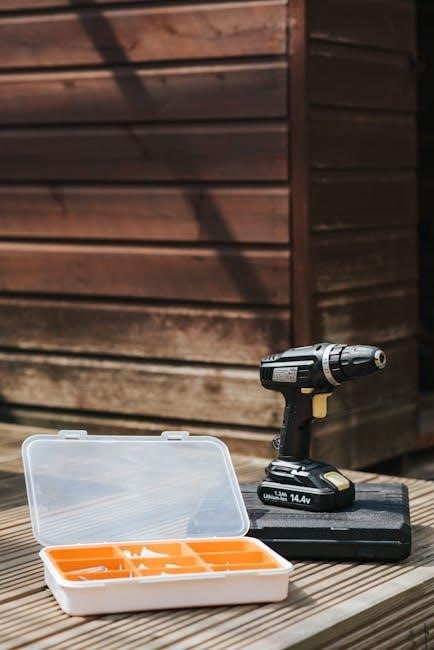
The Kreg Jig 320 represents a significant step up from the 310, offering enhanced features and greater adjustability for woodworkers tackling more diverse projects. It builds upon the beginner-friendly foundation of the 310, adding refinements that improve precision and versatility.
A key improvement is the integrated drill stop, which allows for consistent and accurate hole depths, minimizing errors and ensuring stronger joints. The 320 also boasts a wider range of wood thickness settings, accommodating materials from ½ inch to 1 ½ inches with greater ease and precision. This expanded range makes it suitable for a broader spectrum of woodworking applications.
Furthermore, the Kreg Jig 320 includes a built-in dust collection port, helping to keep your workspace cleaner and more organized. Its robust construction and durable materials ensure long-lasting performance. While slightly more expensive than the 310, the added features and improved adjustability make the 320 a worthwhile investment for woodworkers seeking greater control and accuracy in their pocket-hole joinery.
Kreg Jig Micro: For Smaller Projects and Materials
The Kreg Jig Micro is specifically designed for woodworking enthusiasts working with smaller materials and delicate projects where standard pocket-hole jigs are simply too bulky or create excessively large holes. This compact jig excels in applications like building drawers, small boxes, picture frames, and other intricate assemblies.
Its defining characteristic is its ability to create micro-pocket holes – significantly smaller than those produced by larger Kreg jigs. These smaller holes minimize visibility and reduce the risk of splitting delicate wood, making it ideal for hardwoods and thin stock. The jig’s streamlined design and simplified adjustments ensure ease of use, even for beginners.
Despite its small size, the Kreg Jig Micro doesn’t compromise on strength. It still delivers the reliable, robust pocket-hole joints that Kreg is known for, just in a more refined and subtle form. It’s a perfect addition to any woodworker’s toolkit, expanding their capabilities and allowing them to tackle projects previously deemed too challenging.
Kreg Jig XL: Handling Larger Wood Pieces
The Kreg Jig XL is engineered for woodworkers frequently dealing with substantial lumber and larger project dimensions. Unlike standard Kreg jigs, the XL model boasts an extended capacity, comfortably accommodating wood thicknesses up to 1 ½ inches – a crucial feature when building furniture, cabinets, or framing components.
This jig’s increased size isn’t just about capacity; it also enhances stability and accuracy when working with heavier, more unwieldy wood pieces. The robust construction minimizes movement during drilling, resulting in consistently precise pocket holes. It’s particularly beneficial for projects requiring numerous joints, where cumulative errors can quickly become problematic.
The Kreg Jig XL maintains the user-friendliness Kreg is renowned for, with simple adjustments and clear markings. It’s a valuable investment for those who regularly tackle large-scale woodworking endeavors, providing the power and precision needed to create durable, professional-quality results. It expands the scope of projects achievable with pocket-hole joinery.
Kreg Jig K4: Versatility and Speed
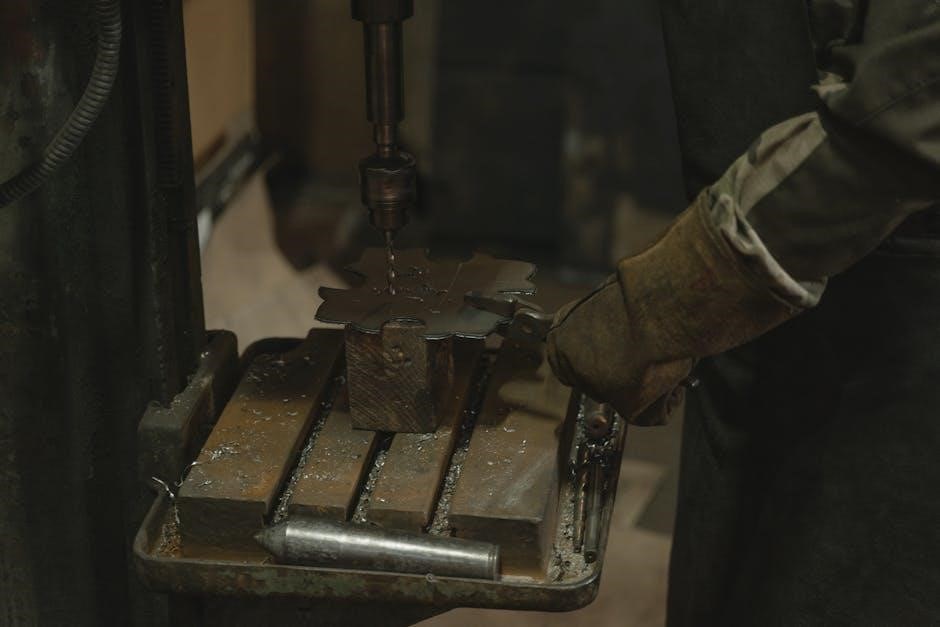
The Kreg Jig K4 represents a significant leap forward in pocket-hole joinery, prioritizing both speed and adaptability. This model introduces a revolutionary three-step setup process, drastically reducing adjustment time compared to previous generations. It’s designed to streamline workflow, making it ideal for production environments or woodworkers tackling multiple projects.
Versatility is a key strength of the K4. It accommodates a wide range of wood thicknesses – from ½ inch to 1 ½ inches – without requiring tool-free adjustments. The integrated dust collection port keeps your workspace cleaner, and the adjustable fence ensures accurate hole placement every time.
Furthermore, the Kreg Jig K4 is compatible with a vast array of Kreg accessories, expanding its functionality even further. It’s a premium option for serious woodworkers seeking a jig that delivers exceptional performance, efficiency, and long-term value. It truly embodies the evolution of pocket-hole technology.
Kreg Rebel 20V Ionic Drive Pocket-Hole Joiner Kit: Cordless Convenience
The Kreg Rebel 20V Ionic Drive Pocket-Hole Joiner Kit breaks free from the constraints of cords, offering unparalleled portability and convenience. This innovative kit combines the precision of Kreg pocket-hole joinery with the freedom of a powerful, cordless platform, powered by Kreg’s IonicDrive technology.
Unlike traditional jigs, the Rebel utilizes a unique driving motor that delivers consistent, reliable screw placement without the need for an external air compressor; This simplifies setup and operation, making it exceptionally user-friendly. The kit includes everything needed to get started, including the Rebel drill, a micro-pocket hole jig, and a selection of screws.

Its cordless design is perfect for job sites or workshops where outlets are limited. The Kreg Rebel is a game-changer for woodworkers who value mobility and efficiency, providing a fast, accurate, and hassle-free pocket-hole experience. It’s a modern solution for a timeless joinery technique.
Kreg Jig 720PRO: Professional-Grade Precision
The Kreg Jig 720PRO represents the pinnacle of Kreg’s pocket-hole jig technology, designed for professional woodworkers and serious DIY enthusiasts demanding ultimate precision and versatility. This jig builds upon decades of innovation, offering enhanced features and unparalleled accuracy in every joint.
Featuring a fully adjustable system, the 720PRO accommodates a wide range of wood thicknesses and materials, ensuring optimal screw placement for consistently strong connections. Its integrated dust collection port keeps your workspace clean, while the hardened steel guide plates guarantee long-lasting durability.
The Kreg Jig 720PRO boasts a three-hole drilling capacity, increasing efficiency for projects requiring multiple joints. It’s compatible with a vast array of Kreg accessories, further expanding its capabilities. This isn’t just a jig; it’s a complete pocket-hole joinery system built for professionals who refuse to compromise on quality or performance.
Understanding Pocket-Hole Joinery
Pocket-hole joinery utilizes angled holes and screws to create exceptionally strong wood connections. Kreg jigs simplify this process, offering a reliable and efficient method for woodworking projects.
How Pocket Holes Work: The Mechanics of the Joint
Pocket-hole joinery relies on a clever mechanical principle to create robust wood connections. A Kreg jig drills an angled hole – the “pocket hole” – into one workpiece. This hole isn’t simply drilled straight through; it’s positioned at an angle, typically 15 degrees, to intersect with the second piece of wood.
When a specialized, self-tapping pocket-hole screw is driven through this angled hole, it draws the two workpieces tightly together. The angle of the hole, combined with the screw’s design, creates a clamping force that pulls the joint closed. This clamping action is crucial for strength, as it eliminates gaps and ensures a flush connection.
The screw itself is designed with a unique thread pattern and a self-tapping tip. This allows it to bite firmly into both pieces of wood without requiring pre-drilling (though it’s sometimes recommended for harder woods). The head of the screw is also designed to sit flush within the pocket hole, minimizing protrusion and creating a clean finish. The resulting joint is incredibly strong, resisting both tensile and shear forces, making it ideal for a wide range of woodworking applications.

Pocket-Hole Screw Selection: Choosing the Right Screws
Selecting the correct pocket-hole screws is paramount for joint strength and a clean finish. Kreg offers a variety of screws, categorized primarily by length, thread type, and head style, each suited for different wood thicknesses and applications.
Screw length must correspond to the combined thickness of the wood being joined. Too short, and the screw won’t achieve sufficient bite; too long, and it will protrude through the second piece. Kreg provides charts correlating wood thickness to ideal screw length.
Coarse-thread screws are best for softwoods and plywood, providing ample grip. Fine-thread screws excel in hardwoods, minimizing splitting and ensuring a secure hold. Washers are integrated into some screws to increase clamping force and prevent pull-through.
Pan-head screws are standard for most applications, offering a low profile. Bugle-head screws are designed for specific situations, like joining face frames. Material matters too; steel screws are common, while coated screws offer enhanced corrosion resistance for outdoor projects. Choosing wisely ensures durable, professional-looking results.
Pocket-Hole Plug Options: Concealing the Holes
While pocket-hole joinery excels in strength, the visible holes aren’t always aesthetically desirable. Fortunately, Kreg offers several solutions for concealing these, maintaining a clean, professional appearance. Pocket-hole plugs are the most common method, providing a flush finish.
These plugs, crafted from various wood species, are glued into the drilled pocket holes, matching the surrounding wood. After the glue dries, they’re easily trimmed flush with a chisel or flush-trim saw, and sanded smooth. Kreg offers both pre-glued and unglued plug options.
Alternatively, wood filler can be used, though it often requires more sanding and may not achieve the same seamless look as a plug. For painted projects, filler is a viable option. Some woodworkers cleverly utilize contrasting wood plugs as a design element.
Kreg also provides a specialized plug cutter, allowing you to create custom plugs from your project wood for a perfect match. Careful selection and installation of plugs elevate the finished product, masking the joinery technique while retaining its structural integrity.

Using a Kreg Drilling Guide: A Step-by-Step Guide
Kreg jigs simplify pocket-hole creation. Adjust the jig to your wood’s thickness, clamp securely, and drill precise, angled holes. Assemble using specialized screws for robust joints.
Setting Up the Jig: Adjusting for Wood Thickness
Proper jig adjustment is paramount for accurate pocket-hole drilling. Kreg jigs feature adjustable collars or settings designed to accommodate various wood thicknesses, ensuring the drill bit creates the correct angle and depth. Begin by identifying your wood’s thickness using a ruler or caliper – precision is key!
Most Kreg jigs have clear markings indicating wood thickness ranges. Align the jig’s adjustment collar or setting with the corresponding measurement. For instance, a setting of ‘1.5”’ is suitable for wood that is one and a half inches thick. Securely lock the adjustment mechanism to prevent slippage during drilling.
Incorrect settings lead to weak joints or drill-out issues. If the jig isn’t properly adjusted, the pocket hole may be too shallow, resulting in a weak hold, or too deep, potentially causing the drill bit to exit the wood unexpectedly. Always double-check your settings before drilling, and consider performing a test drill on scrap wood to verify accuracy. Remember, different Kreg jig models may have slightly different adjustment mechanisms, so consult your jig’s manual for specific instructions.
Drilling Pocket Holes: Achieving Accurate Angles
Achieving the correct angle is crucial for pocket-hole joinery’s strength. Kreg jigs are engineered to consistently produce the ideal 15-degree angle needed for a secure hold. Once the jig is set for your wood thickness, position the jig firmly against the workpiece, ensuring it’s aligned with the edge.
Using a drill with the appropriate Kreg-specified drill bit, apply steady, even pressure while drilling. Avoid forcing the drill, as this can cause splintering or inaccurate hole placement. The jig’s guide bushing will direct the drill bit, creating a clean, consistent pocket hole.
Maintaining a perpendicular stance to the wood is vital. Any tilting can compromise the angle and weaken the joint. After drilling, inspect the pocket hole for any imperfections. A clean, well-defined hole indicates successful drilling. Remember to always wear safety glasses to protect your eyes from wood chips and debris. Consistent practice will refine your technique and ensure accurate, professional-looking pocket holes.
Assembling with Pocket-Hole Screws: Creating Strong Joints
Selecting the correct pocket-hole screw length is paramount for a robust joint. Kreg offers a variety of screw lengths designed for different wood thicknesses; consult the Kreg screw selection guide for optimal results. Position the pieces to be joined, ensuring they are flush and aligned.
Using a drill or screwdriver with a Kreg square-drive bit, drive the screw into the pocket hole at a slight angle. Apply consistent pressure to prevent stripping the screw head or damaging the wood. The self-tapping design of Kreg screws ensures a secure grip without pre-drilling (though it can be helpful in very hard woods).
Clamping the pieces together is essential for a tight, gap-free joint. Kreg face clamps are ideal, but other clamps can be used with Kreg clamp adapters. Once clamped, drive the screws until they are snug, but avoid over-tightening, which can split the wood. A properly assembled pocket-hole joint will be strong, durable, and visually appealing.

Kreg Jig Accessories
Kreg offers a range of accessories to enhance jig functionality. These include face clamps for secure assembly, and clamp adapters for versatility with existing clamps, improving project efficiency.
Kreg Face Clamps: Ensuring Secure Assembly
Kreg Face Clamps are specifically designed to work seamlessly with Kreg Pocket-Hole Jigs, providing the necessary pressure for strong, square joints during glue-up. Unlike standard clamps, Kreg Face Clamps feature durable, non-marring clamping surfaces that protect your workpiece from damage, ensuring a professional finish.
These clamps boast a unique swivel pad that adjusts to uneven surfaces, maximizing clamping force across the entire joint. They are available in various sizes – 12”, 24”, and 48” – to accommodate projects of different scales and complexities. Furthermore, Kreg clamps often incorporate features like Auto-Adjust technology, which automatically adjusts the clamping pressure based on the wood thickness.
The versatility of Kreg Face Clamps extends beyond pocket-hole joinery; they can also be used for general clamping tasks around the workshop. Their robust construction and reliable performance make them an invaluable addition to any woodworker’s toolkit, guaranteeing consistently tight and accurate assemblies. Using the correct clamp size is crucial for optimal results.
Kreg Clamp Adapters: Compatibility with Various Clamps
Kreg Clamp Adapters broaden the usability of your Kreg Pocket-Hole Jig, allowing you to utilize clamps you already own, rather than being restricted to solely Kreg Face Clamps. These adapters bridge the gap between the jig and standard bar clamps, pipe clamps, or even spring clamps, offering cost-effectiveness and convenience.

Designed for compatibility with clamps ranging in size from 1/2 inch to 2 inches, Kreg Clamp Adapters ensure a secure and stable clamping setup. They feature a robust construction, capable of withstanding the pressure required for strong pocket-hole joints. Installation is quick and straightforward, typically involving a simple screw-in mechanism.
Using adapters expands your clamping options, particularly beneficial for larger projects or when working with limited space. They provide flexibility and allow you to leverage existing tools, reducing overall workshop expenses. Kreg offers various adapter types to suit different clamp styles, ensuring a perfect fit and optimal clamping performance for consistently reliable results.