Cataclysm Leatherworking offers a robust crafting experience, allowing players to create valuable armor and items.
Explore diverse specializations, from crafting durable armor to intricate kits, enhancing your character’s capabilities.
Discover how to navigate the profession effectively within the evolving world of Cataclysm, maximizing profits and skill progression.
What is Leatherworking in Cataclysm?
Leatherworking in Cataclysm is a crafting profession centered around transforming raw hides, obtained primarily through Skinning, into useful leather and ultimately, powerful armor and kits. It’s a versatile skill, crucial for characters seeking self-sufficiency or aiming to profit through the Auction House. Unlike some professions, Leatherworking doesn’t rely heavily on rare drops; its core materials are consistently farmable, making it accessible to all players.
The profession’s output ranges from basic leather used in various crafting recipes to specialized armor pieces tailored for Hunters, Rogues, and Druids. Furthermore, Leatherworking provides essential components for crafting bags, quivers, and other useful items. Mastering Leatherworking involves understanding material quality, recipe efficiency, and the demands of the current market. It’s a dynamic profession, constantly evolving with new patches and content updates, offering continuous challenges and rewards.
Why Level Leatherworking?
Leveling Leatherworking in Cataclysm provides significant benefits, extending beyond simply crafting gear. Firstly, it offers substantial gold-making potential; crafted items, particularly armor and bags, consistently sell well on the Auction House. Secondly, self-sufficiency is a major perk – you can create your own gear, reducing reliance on dungeon drops or expensive purchases. This is especially valuable during the leveling process and gearing up for end-game content.
Moreover, Leatherworking unlocks unique recipes and crafting options unavailable to other professions. The ability to create specialized kits for Hunters and Rogues, alongside powerful armor for Druids, makes it a highly sought-after skill. Finally, Leatherworking synergizes exceptionally well with Skinning, allowing for a streamlined resource gathering and crafting loop, maximizing efficiency and profitability. Investing time in this profession is a rewarding endeavor for any player.
Gathering Materials
Essential materials include raw hides from skinning beasts, leather sourced from nodes, and items purchased via the Auction House for efficient crafting.
Skinning for Raw Hides
Skinning is paramount for a self-sufficient Leatherworker in Cataclysm. It provides the foundational raw materials – various hides – crucial for all leatherworking recipes. Prioritize leveling your Skinning skill alongside Leatherworking to ensure a consistent supply of resources. Focus on skinning beasts throughout Azeroth, adapting to the zones appropriate for your level.
Different creatures yield different types of hides, impacting the leather you can create. Higher-level beasts generally provide more valuable hides. Consider utilizing Skinning skill bonuses from enchants or gear to maximize your yield. Remember to check your local Auction House prices; sometimes, purchasing hides is more cost-effective than farming them yourself, especially for rarer types. Efficient skinning practices will significantly reduce your reliance on external sources and boost your Leatherworking progression.
Leatherworking Nodes & Farming Locations
Dedicated farming locations are essential for acquiring specific leather types efficiently. While skinning provides a base supply, certain leathers are best obtained through dedicated node farming. Look for Leatherworking nodes scattered across Azeroth, often found in zones populated by beasts. These nodes yield various leathers, depending on the region.
Popular farming spots include areas around Orgrimmar and Stormwind, as well as zones like Nagrand and Deepholm. Utilize online resources and community guides to pinpoint optimal locations for specific leather types. Remember that node respawn times vary, so scouting multiple locations is beneficial. Competition for nodes can be fierce, especially during peak hours, so consider farming during off-peak times for better results. Consistent node farming complements skinning, ensuring a steady flow of materials.
Utilizing the Auction House
The Auction House is a crucial component of successful Leatherworking in Cataclysm. While self-sufficiency is admirable, relying solely on gathered materials can be time-consuming and limit profitability. Regularly monitor Auction House prices for both raw materials and crafted goods. Identify opportunities to buy low and sell high, maximizing your profits.
Focus on crafting items with high demand and a significant margin between material cost and selling price. Be aware of market fluctuations and adjust your crafting strategy accordingly. Consider using Auction House addons to track prices and automate bidding. Don’t underestimate the value of undercutting competitors strategically, but avoid engaging in price wars that erode profits. Efficient Auction House utilization is key to scaling your Leatherworking endeavors.
Leatherworking Skills & Recipes
Skill progression unlocks increasingly complex recipes, from basic leather to exotic materials. Mastering recipes at each level is vital for efficient leveling and profit.
Skill Levels 1-50: Basic Leather & Linings
Early leatherworking focuses on foundational skills, primarily crafting basic leather and linings. This initial phase is relatively inexpensive, utilizing readily available materials like Light Leather, Linen Cloth, and Wool Cloth. Recipes such as Rough Leather Hide and Linen Bandages are excellent starting points for both skill gains and a small profit margin.
Concentrate on consistently crafting items, even if the profit isn’t substantial. The goal is rapid skill advancement to unlock more lucrative recipes. Farming Light Hides through skinning beasts in low-level zones is crucial for self-sufficiency. Don’t overlook the potential of vendor-bought materials when skinning yields are low. Remember to check the Auction House for competitive pricing on both materials and crafted goods, ensuring you aren’t underselling your work.
Skill Levels 51-100: Medium Leather & Armor Components
Reaching skill level 51 unlocks the ability to work with Medium Leather and begin crafting basic armor components. This stage requires more specialized materials like Heavy Hide and Runecloth, increasing material costs; Focus on recipes like Medium Leather Belt and Leather Shoulder Pads, which offer a balance between skill gain and potential profit.
Efficient material gathering becomes paramount. Prioritize skinning higher-level beasts and actively monitor Auction House prices for both raw materials and finished products. Consider investing in Skinning alongside Leatherworking for self-sufficiency. Experiment with crafting different armor pieces to identify those with the highest demand and profit margins. Don’t hesitate to utilize crafting daily cooldowns to maximize production and income.
Skill Levels 101-150: Heavy Leather & Advanced Components
Advancing to skill levels 101-150 introduces Heavy Leather and more complex armor components, demanding rarer materials like Frosthide and Volcanic Leather. This phase focuses on crafting items like Heavy Leather Helmets and Boots, requiring significant investment in both materials and time. Mastering this range necessitates consistent Auction House monitoring and strategic material acquisition.
Profitable crafting revolves around identifying niche markets and fulfilling demand for specific armor pieces. Consider specializing in a particular armor type (chest, legs, etc.) to streamline your crafting process. Utilizing daily cooldowns is crucial for maximizing output. Explore crafting recipes that require materials obtainable through other professions, potentially creating synergistic opportunities for increased profits and efficiency.
Skill Levels 151-200: Exotic Leathers & Masterwork Gear
Reaching levels 151-200 unlocks access to Exotic Leathers – such as Serpenthide and Raptorhide – and the ability to craft Masterwork gear. This tier demands substantial capital and a deep understanding of the market, as materials are exceptionally rare and highly sought after. Focus shifts towards creating high-end items like Dragonscale Leggings and Obsidian Plate Armor, catering to raiding and PvP-focused players.
Profitability hinges on consistently delivering BiS (Best in Slot) or near-BiS items. Mastering the intricacies of disenchanting and prospecting can yield valuable materials for further crafting. Consider investing in a dedicated alt for material gathering, ensuring a steady supply. Successful leatherworkers at this level often establish themselves as key suppliers for guilds and dedicated players.
Crafting Specializations
Leatherworking offers two distinct paths: Armor specialization focuses on crafting powerful leather armor, while Kit specialization creates useful bags and utility items for adventurers.
Armor Specialization
Choosing the Armor specialization in Cataclysm Leatherworking unlocks a path to crafting some of the most sought-after gear for classes like Rogues, Hunters, and Druids. This specialization allows you to create a full range of leather armor, from headgear and chest pieces to leggings and boots. Focusing on this path requires a significant investment in learning recipes and gathering the necessary materials, including various types of leather, linings, and occasionally rare components.
Mastering Armor crafting involves understanding stat weights and tailoring your creations to meet the demands of different content, such as dungeons, raids, and PvP. High-level leather armor often incorporates unique embellishments and enchantments, further increasing its value. Successfully navigating this specialization demands dedication, resourcefulness, and a keen awareness of market trends to maximize profits and provide valuable gear to fellow players.
Kit Specialization
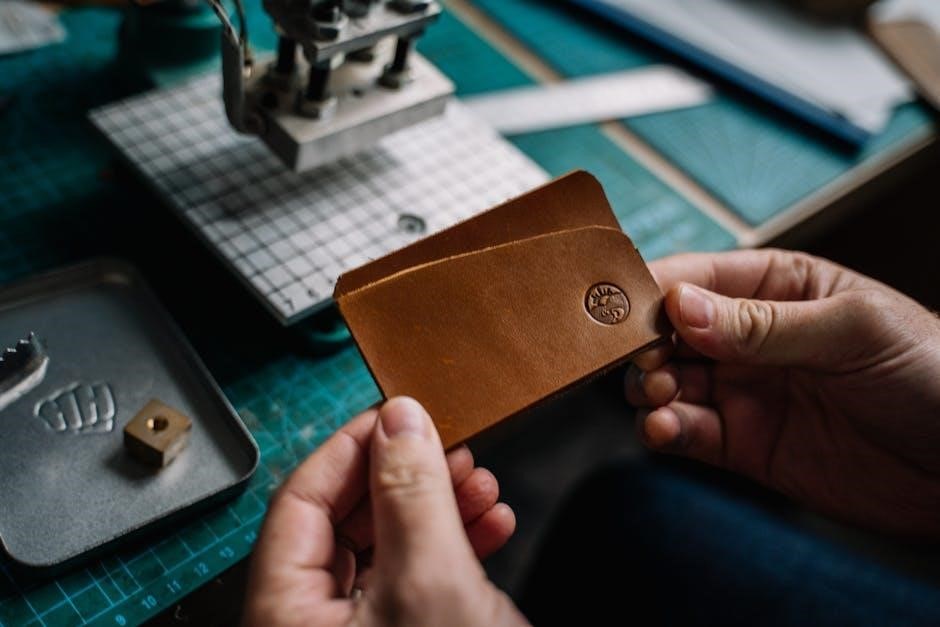
The Kit specialization within Cataclysm Leatherworking focuses on crafting a diverse array of useful items for various professions and classes. Unlike armor specialization, which centers on wearable gear, kit specialization allows you to create bags, quivers, engineering gadgets, and other utility items. This path is particularly appealing to players who enjoy supporting other professions or providing valuable consumables to the player base.
Profitable kit crafting often involves identifying niche markets and creating items that are in high demand but have limited supply. Mastering this specialization requires a broad understanding of the game’s economy and the needs of different professions. While the profit margins on individual items may be lower than those of high-end armor, the consistent demand for kits can provide a steady income stream for dedicated Leatherworkers.
Useful Recipes & Crafting Strategies
Maximize profits by focusing on high-demand recipes and efficient material sourcing. Understanding market trends and utilizing crafting cooldowns are key to success.

Early Game Money Making Recipes
For players starting their Leatherworking journey in Cataclysm, focusing on readily available materials and consistently demanded items is crucial for generating early gold. Light Leather Armor kits, particularly those required for leveling professions like Skinning, consistently sell well on the Auction House. These kits require minimal skill and are relatively inexpensive to craft, offering a good return on investment.
Additionally, crafting various leather linings and simple leather pieces – like Rugged Leather Belts or Sturdy Leather Bracers – provides a steady income stream. These items are frequently used by players gearing up their alts or replacing broken equipment. Remember to check the Auction House prices regularly to identify the most profitable options, adjusting your crafting focus accordingly. Don’t underestimate the value of volume; crafting and selling a large quantity of inexpensive items can quickly add up!
Mid-Game Profitable Crafts
As your Leatherworking skill progresses between levels 51-150, opportunities for more substantial profits emerge. Focus shifts towards crafting medium and heavy leather armor components, catering to players gearing up for dungeons and early raids. Specifically, crafting BoE (Bind on Equip) leather armor pieces, even those with lower item levels, can fetch a good price on the Auction House due to their tradability.
Investing time in learning recipes for desirable stat combinations – like crit or haste – can further increase your earnings. Also, consider crafting materials used by other professions, such as Heavy Leather or Knothide Leather, as these are consistently in demand. Regularly monitoring Auction House trends and identifying gaps in the market is key to maximizing profits during this stage. Don’t neglect the value of crafting profession-specific gear for yourself to reduce repair costs!
End-Game BiS (Best in Slot) Leatherworking
Reaching Leatherworking skill 200 unlocks the potential to craft truly valuable, “Best in Slot” (BiS) gear for Cataclysm’s endgame content. This primarily involves crafting high-item-level leather armor pieces with optimal stat weights for specific classes and roles. Focus on recipes requiring rare materials obtained from challenging raids and dungeons, as these items command the highest prices.
Mastering the art of crafting with Volcanic Leather and other exotic materials is crucial. Successfully crafting BiS items often requires a significant investment in skill points and potentially the use of skill-up items to ensure a higher chance of success. Auction House competition will be fierce, so understanding market demand and pricing strategies is essential. Consider specializing in crafting for a particular class to become a go-to source for BiS gear.
Leatherworking Trainers & Skill Ups
Locate Leatherworking trainers throughout Azeroth to learn new recipes and advance your skill. Utilize skill-up items strategically to accelerate progression and overcome learning plateaus.
Finding Leatherworking Trainers
Embarking on your Leatherworking journey in Cataclysm requires locating skilled trainers across Azeroth. These NPCs impart new recipes and unlock higher skill tiers, crucial for crafting advanced gear. For levels 1-75, head to major cities like Stormwind, Orgrimmar, and Dalaran to find trainers like Master Grolak in Orgrimmar or Tilda Brewfoot in Stormwind.
As you progress, trainers relocate. Levels 75-150 trainers can be found in the same major cities, while levels 150-200 require a visit to Firelands or Uldum. Remember to check your trainer window within the game; it dynamically updates with the nearest available instructor. Utilizing online resources like Wowhead can also pinpoint trainer locations and provide detailed maps. Don’t forget to regularly visit your trainer to stay current with the latest recipes and maximize your Leatherworking potential!
Utilizing Skill Up Items
Accelerating your Leatherworking skill in Cataclysm can be achieved through strategic use of skill-up items. These consumables guarantee a skill point increase upon use, bypassing the often-frustrating chance-based crafting system. Common sources include vendor-purchased materials like Brilliant Leather or Heavy Borean Leather, which offer incremental skill gains at lower levels.
However, more potent options exist. Look for items dropped from specific dungeons or acquired through reputation rewards. These can provide substantial skill boosts, particularly useful when approaching new skill tiers. Remember to check the Auction House for player-listed skill-up materials, often available at competitive prices. Combining crafting with skill-up items provides a balanced and efficient path to Leatherworking mastery, minimizing wasted resources and maximizing progression speed.
Leatherworking and Professions Synergy
Combining Leatherworking with other professions unlocks powerful advantages, streamlining resource acquisition and crafting efficiency.
Synergies with Skinning and Engineering provide unique benefits for dedicated players.
Leatherworking & Skinning
The synergy between Leatherworking and Skinning is arguably the most impactful pairing for a self-sufficient crafter. Skinning provides a consistent and cost-effective source of raw hides, the fundamental material for all Leatherworking endeavors. By leveling both professions concurrently, players drastically reduce their reliance on the Auction House for basic materials, maximizing profits and minimizing expenses.
Successfully skinning beasts yields various types of hides – Light, Medium, and Heavy – directly corresponding to the leather types required for different skill levels and recipes. This direct resource pipeline allows for rapid skill progression and consistent crafting. Furthermore, higher-level Skinning skills unlock the ability to obtain rare hides, essential for crafting high-end leather gear and valuable trade goods. Mastering both professions creates a powerful, independent crafting loop, offering significant advantages in both wealth generation and gear acquisition within Cataclysm.
Leatherworking & Engineering
The relationship between Leatherworking and Engineering, while less direct than with Skinning, offers unique benefits for dedicated players. Engineers frequently require sturdy leather components for crafting various gadgets, devices, and even specialized armor enhancements. Leatherworking can reliably supply these needs, fostering a mutually beneficial trade relationship or enabling self-sufficiency for multi-professed characters.
Specifically, Engineering often utilizes Heavy Leather and various linings crafted by Leatherworkers. This demand creates a consistent market for these items, providing a steady income stream. Conversely, Engineers can provide Leatherworkers with access to unique crafting tools or materials obtained through their profession, potentially streamlining the crafting process or unlocking new recipe possibilities. Combining these professions allows for a diversified approach to wealth generation and character progression within the Cataclysm landscape.